
Content Marketing Strategy for Businesses in Siliguri in 2026
Content marketing helps businesses educate audiences, communicate expertise and build long-term brand trust. Discover how to plan blogs, videos, social media content and campaigns for your business in 2026.

Customers do not always make purchasing decisions immediately. Before choosing a product or service, they may read articles, watch videos, compare brands, explore social media profiles and look for customer experiences.
This creates an opportunity for businesses to educate their audiences through content marketing.
For businesses in Siliguri, content marketing can help communicate expertise, explain services, answer customer questions and build familiarity with potential customers.
However, publishing content without a clear objective does not automatically produce business results. A successful content strategy requires planning, consistency, audience understanding and performance measurement.
In this guide, we explain how businesses can develop a practical content marketing strategy in 2026.
1. What Is Content Marketing?
Content marketing is a strategic approach to creating and distributing useful, relevant content to attract and engage a defined audience.
It can include:
Blog articles.
Social media posts.
Reels and short-form videos.
YouTube videos.
Infographics.
Case studies.
Email newsletters.
Guides and downloadable resources.
Customer testimonials.
The objective is to provide value, develop trust and support business goals rather than simply promote products in every communication.
2. Why Is Content Marketing Important?
Content gives businesses an opportunity to explain what they do and why customers should consider them.
A well-planned content strategy can help:
Build brand awareness.
Answer common customer questions.
Communicate expertise.
Support organic search visibility.
Provide material for social media.
Improve customer understanding.
Support advertising campaigns.
Generate relevant enquiries over time.
Content marketing should be viewed as a long-term business activity, not a guaranteed shortcut to immediate sales.
3. Understand Your Target Audience
Before creating content, identify the people you want to reach.
Ask:
Who are your ideal customers?
What problems are they trying to solve?
What questions do they commonly ask?
Which platforms do they use?
What information helps them make a decision?
What makes your business different?
For example, a real estate company may need content about property documentation and buying considerations, while a restaurant may focus on its menu, dining experience and special events.
Your content should reflect the real information needs of your audience.
4. Choose the Right Content Formats
Different content formats serve different purposes.
Blog Articles
Useful for detailed explanations, educational resources and search-focused topics.
Short-Form Videos
Suitable for demonstrations, quick tips, behind-the-scenes content and product showcases.
Long-Form Videos
Useful for interviews, detailed explanations, tutorials and case studies.
Infographics
Can simplify processes, comparisons and information-heavy subjects.
Customer Testimonials
Can communicate genuine customer experiences and provide social proof.
Social Media Posts
Help maintain regular communication and share important business updates.
Choose formats that your team can produce consistently and your audience finds useful.
5. Develop Content Pillars
Content pillars are the main themes around which a business organises its content.
A business may use the following pillars:
Educational
Tips, guides, explanations and frequently asked questions.
Product and Service
Features, benefits, demonstrations and use cases.
Brand and Company
Company story, team introductions, values and business milestones.
Customer Experience
Genuine testimonials, project stories and customer feedback.
Promotional
Offers, launches, events and service announcements.
A balanced content calendar should include a mix of these themes.
6. Build a Monthly Content Calendar
A content calendar helps organise publishing activities.
A simple monthly plan could include:
| Content Type | Suggested Monthly Quantity |
|---|---|
| Educational social posts | 8 |
| Product or service posts | 4 |
| Reels or short videos | 4 |
| Customer or project stories | 2 |
| Promotional updates | 2 |
| Blog articles | 2 |
These are illustrative planning quantities, not a universal requirement. Adjust them according to your resources, audience and objectives.
For each content item, define:
Topic.
Target audience.
Platform.
Format.
Publishing date.
Responsible team member.
Call to action.
Performance indicator.
7. Use Content for Local Business Marketing
Businesses in Siliguri and North Bengal can create useful content around local customer needs and business activities.
Examples include:
A restaurant explaining its food preparation and menu.
A real estate company discussing property-buying considerations.
A retailer introducing new collections.
A healthcare business publishing general educational information.
A travel company explaining destinations and travel planning.
A professional service provider answering frequently asked questions.
Location-based content should be accurate and genuinely relevant to the business's service area.
8. Create Search-Friendly Blog Content
Blog articles can help answer questions that potential customers search for online.
A useful blog should include:
A clear title.
A defined search intent.
A logical heading structure.
Original and useful information.
Relevant examples.
Internal links to related pages.
Descriptive image ALT text.
A suitable meta description.
A clear conclusion and next step.
Avoid publishing multiple articles that repeat the same information without adding meaningful value.
9. Repurpose One Content Idea Across Platforms
A single useful topic can be adapted into several formats.
For example, a blog about website development can become:
An Instagram carousel explaining website features.
A short video about common website mistakes.
A Facebook post sharing practical tips.
A YouTube explanation.
An email newsletter.
A frequently asked questions section.
Repurposing helps businesses use their content resources efficiently. Each adaptation should suit the platform rather than simply copying the same material everywhere.
10. Content Distribution Matters
Creating good content is only one part of the process. Businesses also need a distribution plan.
Possible distribution channels include:
Company website.
Instagram.
Facebook.
YouTube.
LinkedIn.
Email newsletters.
WhatsApp communication with appropriate consent.
Relevant industry communities.
Follow each platform's rules and avoid spam-based link sharing or unsolicited messaging.
11. Measure Content Marketing Performance
Choose performance indicators based on the purpose of each content format.
Website and Blog Metrics
Organic impressions.
Search clicks.
Engaged sessions.
Time spent on useful pages.
Enquiry form submissions.
Social Media Metrics
Reach.
Engagement.
Video views.
Watch time.
Profile visits.
Website clicks.
Business Metrics
Qualified enquiries.
Lead quality.
Customer conversions.
Assisted conversions.
Cost per lead where paid promotion is involved.
Use analytics to understand which topics and formats are helping achieve your objectives.
12. Common Content Marketing Mistakes
Avoid these problems:
Publishing without understanding your audience.
Creating content only for promotions.
Copying competitors.
Publishing inaccurate information.
Ignoring content quality.
Using misleading headlines.
Forgetting calls to action.
Neglecting older content that needs updating.
Failing to measure performance.
Expecting every post or article to generate immediate sales.
13. Why Choose Tryone Digital Labs?
Tryone Digital Labs provides digital marketing, branding, creative and technology solutions for businesses.
Our content-related services can include:
Content strategy.
Blog planning and writing.
Social media content planning.
Creative design.
Video content production.
Brand storytelling.
Campaign content.
Content performance analysis.
We focus on creating structured content that communicates a brand's value and supports its wider marketing objectives.
Comments (0)
Be the first to comment.
Keep reading
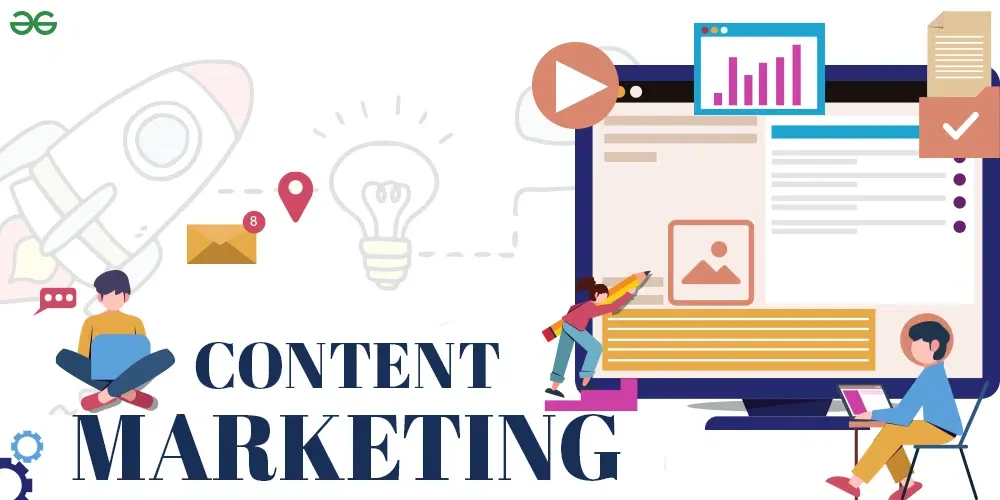
Content Marketing in 2026: How Valuable Content Builds Customer Trust
Customers want useful information before making decisions. Learn how businesses can use blogs, videos, social media and educational content to build credibility and stronger customer relationships.
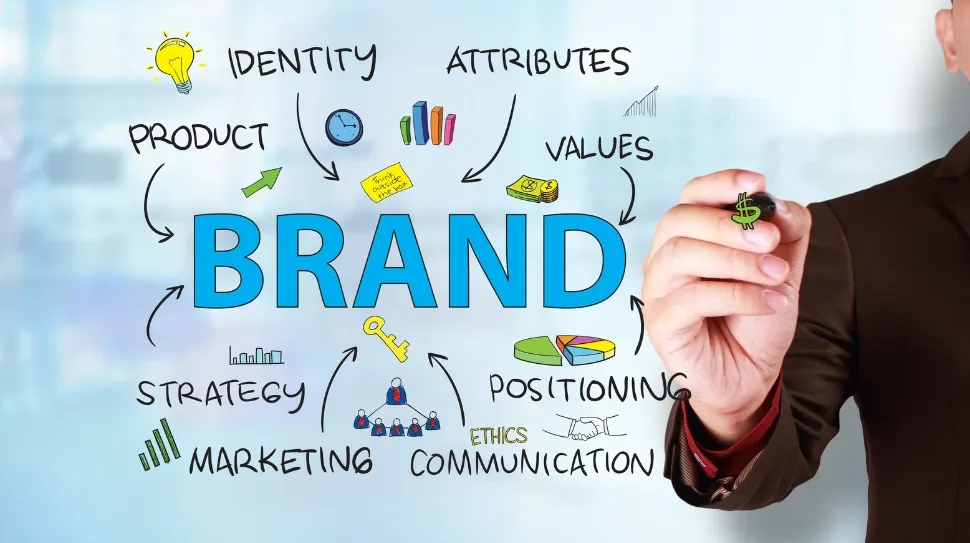
Digital Marketing for Startups: How to Build Your Brand from Zero
Starting a business is challenging, especially when building brand awareness from scratch. Discover how startups can use digital marketing, content, SEO and social media to establish their presence.

Influencer Marketing for Local Businesses: Is It Worth the Investment?
Influencer marketing is not only for large brands. Learn how local businesses can identify relevant creators, plan collaborations, set campaign goals and measure whether influencer partnerships deliver value.