Influencer Marketing for Local Businesses: Is It Worth the Investment?
Influencer marketing is not only for large brands. Learn how local businesses can identify relevant creators, plan collaborations, set campaign goals and measure whether influencer partnerships deliver value.
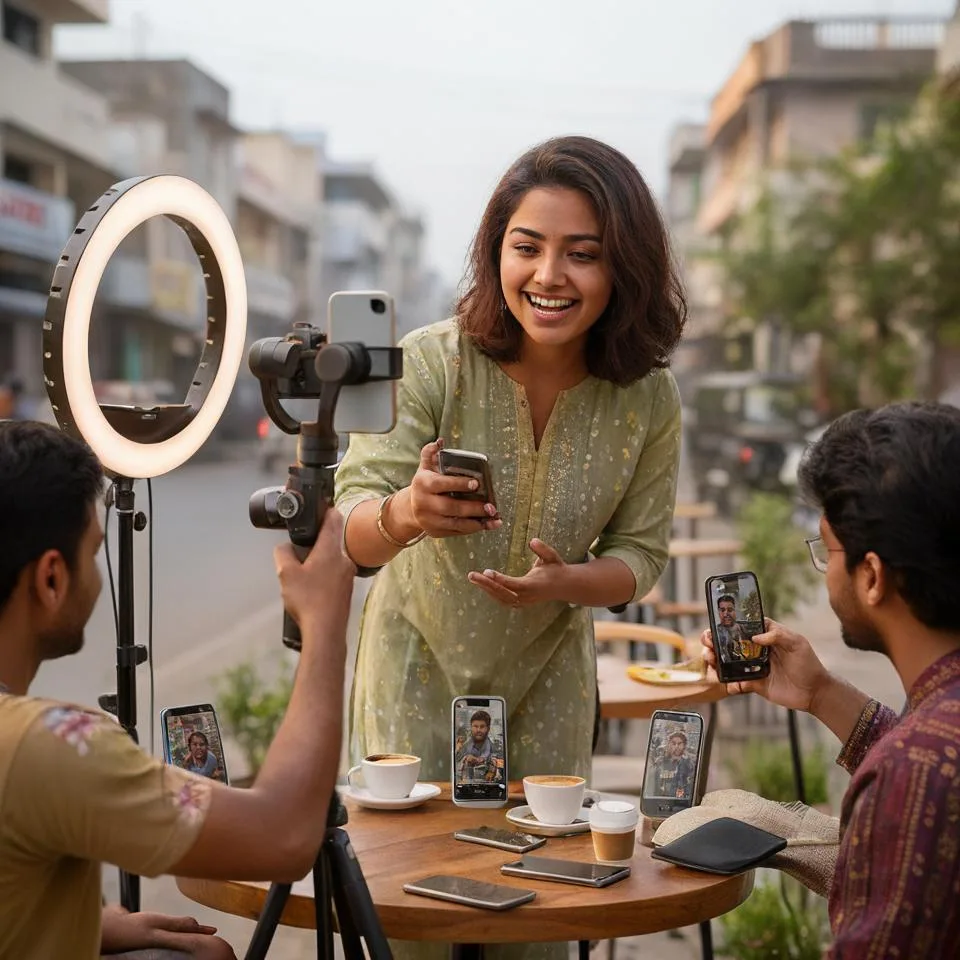
Customers often discover businesses through people they follow online. A creator sharing a restaurant experience, reviewing a product or visiting a local business can introduce that brand to a new audience.
This is the idea behind influencer marketing.
It is no longer limited to celebrities or national brands. Local businesses can collaborate with relevant creators to introduce their products and services to specific communities.
But is influencer marketing worth the investment? The answer depends on the creator, audience, campaign objective and quality of the collaboration.
In this guide, we explore how local businesses can plan influencer marketing campaigns in 2026.
1. What Is Influencer Marketing?
Influencer marketing is a collaboration between a business and a content creator who has an audience on social media or another digital platform.
Creators may produce:
Product reviews.
Experience-based videos.
Sponsored posts.
Brand mentions.
Event coverage.
Tutorials.
Product demonstrations.
Short-form promotional videos.
The objective is to communicate a brand message through a creator whose content and audience are relevant to the business.
2. Why Local Businesses Should Consider Influencer Marketing
Local businesses may benefit from working with creators who understand the interests and culture of their target audience.
Potential benefits include:
Introducing the business to new audiences.
Showing products in real-world situations.
Creating engaging content.
Supporting product launches.
Promoting local events.
Generating content for other marketing channels.
However, creator reach alone does not guarantee enquiries or sales.
3. Understand Different Types of Influencers
Nano Creators
Often have smaller, specialised communities and may be useful for highly local or niche campaigns.
Micro Creators
May have a focused audience and established content style.
Mid-Sized Creators
Can offer broader audience reach while maintaining a recognisable niche.
Large Creators
May provide significant visibility, but campaign costs and audience relevance need careful evaluation.
Follower-count ranges are not universal definitions. Evaluate actual audience quality and campaign suitability.
4. Choose the Right Influencer
Before collaborating, review:
Audience location.
Content category.
Audience interests.
Engagement quality.
Previous brand partnerships.
Content consistency.
Communication style.
Professional reliability.
A creator with a smaller but relevant local audience may be more suitable than someone with a much larger unrelated audience.
5. Set a Clear Campaign Objective
Define what the collaboration should achieve.
Possible objectives include:
Brand awareness.
Product discovery.
Event attendance.
Website visits.
Social media engagement.
Enquiry generation.
Sales.
The content format, creator selection and measurement method should follow the objective.
6. Plan the Collaboration
A clear campaign brief should include:
Campaign objective.
Target audience.
Key brand message.
Required content format.
Publishing schedule.
Deliverables.
Compensation and expenses.
Content approval process.
Usage rights.
Reporting requirements.
Agree on whether the business can reuse the content in advertisements or on its website. Usage rights should be documented.
7. Influencer Marketing Ideas for Siliguri Businesses
Restaurants and Cafes
Invite suitable food creators to experience the menu and share honest content.
Fashion Retailers
Collaborate with local style creators to showcase new collections.
Real Estate
Use property and lifestyle creators for factual project walkthroughs, with appropriate disclosures.
Events
Collaborate with creators to introduce an event, share event information and produce coverage.
Education
Work with relevant educational creators to communicate course information accurately.
The creator's audience and content should genuinely match the business.
8. Understand Influencer Marketing Costs
Campaign costs depend on:
Creator audience and relevance.
Content format.
Production requirements.
Number of deliverables.
Travel and location expenses.
Exclusivity requirements.
Content usage rights.
Paid amplification.
Request a written proposal that clearly explains deliverables and additional costs.
Do not judge value solely by the creator's follower count.
9. Measure Campaign Performance
Track metrics according to the campaign objective.
For awareness:
Reach.
Impressions.
Video views.
Audience location where available.
For engagement:
Comments.
Shares.
Saves.
Meaningful interactions.
For enquiries and sales:
Website visits.
Unique campaign links.
Enquiry forms.
Discount or referral codes where appropriate.
Qualified leads.
Sales attributed to the campaign.
Use suitable attribution methods and recognise that not every customer journey can be measured perfectly.
10. Follow Advertising Disclosure Rules
Sponsored content should be transparent.
Businesses and creators should follow applicable advertising disclosure requirements and platform policies.
Avoid:
Fake testimonials.
Purchased engagement.
Misleading product claims.
Undisclosed paid partnerships.
Unauthorised use of copyrighted content.
Authenticity and transparency protect both the brand and the creator.
11. Common Influencer Marketing Mistakes
Choosing creators only by follower count.
Ignoring audience location.
Not defining campaign goals.
Failing to agree on deliverables.
Ignoring content usage rights.
Not disclosing paid collaborations.
Expecting guaranteed sales.
Failing to measure campaign outcomes.
Selecting creators unrelated to the business.
Running a campaign without a follow-up plan.
12. Why Choose Tryone Digital Labs?
Tryone Digital Labs offers digital marketing, branding, creative and event-related solutions.
Our influencer marketing capabilities can include:
Creator research.
Influencer shortlisting.
Campaign strategy.
Collaboration planning.
Content coordination.
Creative direction.
Campaign management.
Performance reporting.
Our focus is to help businesses plan relevant collaborations that support clear marketing objectives.
Website: https://www.tryonedigitallabsind.com/
Comments (0)
Be the first to comment.
Keep reading
Content Marketing in 2026: How Valuable Content Builds Customer Trust
Customers want useful information before making decisions. Learn how businesses can use blogs, videos, social media and educational content to build credibility and stronger customer relationships.
Performance Marketing in 2026: How to Turn Advertising into Measurable Growth
Digital advertising is more than spending money on campaigns. Discover how performance marketing helps businesses track results, understand customer behaviour and optimise advertising investments.

Website Redesign in 2026: Signs Your Business Needs a New Website
Your website creates the first digital impression of your business. Discover the warning signs of an outdated website and how a strategic redesign can improve usability, credibility and conversions.