
Digital Marketing for Startups: How to Build Your Brand from Zero
Starting a business is challenging, especially when building brand awareness from scratch. Discover how startups can use digital marketing, content, SEO and social media to establish their presence.
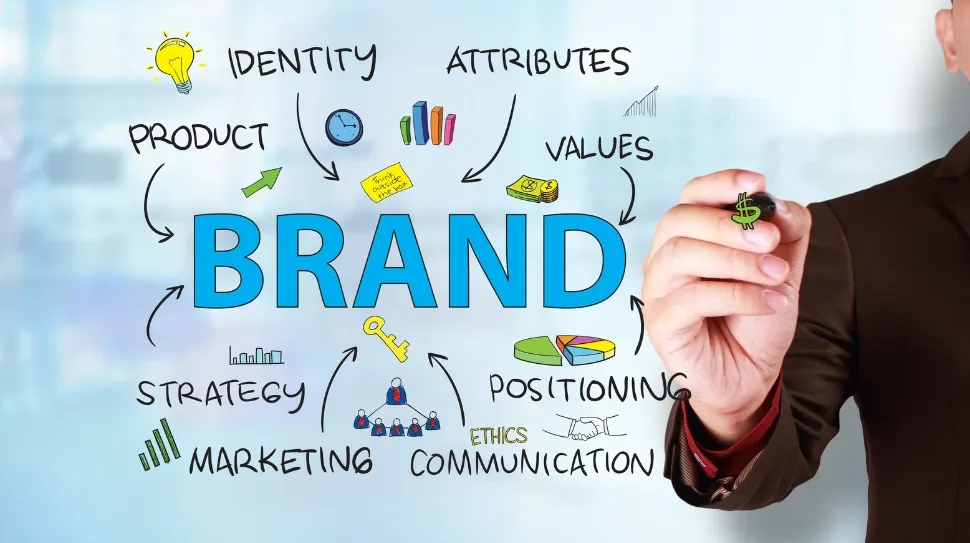
Starting a business requires more than a good product or service. People need to know that your brand exists, understand what it offers and have a reason to trust it.
For startups, building this recognition can be challenging because marketing budgets, resources and brand awareness are often limited.
Digital marketing provides an opportunity to reach potential customers through online platforms and build a recognisable brand.
In this guide, we explore practical digital marketing strategies startups can use in 2026.
1. Define Your Brand Identity
Before promoting your startup, understand what makes your business different.
Your brand identity should communicate:
What your business offers.
Who your target customers are.
What problem you solve.
What makes your offering different.
What values your business represents.
A clear identity helps maintain consistency across your website, social media and marketing campaigns.
2. Identify Your Target Audience
Marketing becomes more effective when you understand whom you are trying to reach.
Consider:
Age group.
Geographical location.
Interests.
Professional background.
Purchasing behaviour.
Customer challenges.
Preferred online platforms.
Create a basic customer profile to guide your marketing decisions.
3. Build a Professional Website
Your website acts as your startup's digital identity.
A professional website should include:
Homepage.
About Us.
Products or Services.
Contact Information.
Customer Testimonials.
Portfolio or Case Studies.
Frequently Asked Questions.
Make sure the website is mobile-friendly, easy to navigate and clearly communicates your business offering.
4. Establish Your Social Media Presence
Social media helps startups introduce their brand to potential customers.
Choose platforms based on your audience and business objectives.
For example:
Platform | Marketing Purpose |
Visual storytelling and brand awareness | |
Community engagement and promotions | |
Professional networking and B2B marketing | |
YouTube | Educational and promotional videos |
Visual discovery and inspiration |
You do not need to be active on every platform. Focus on the platforms that make sense for your audience.
5. Develop a Content Marketing Strategy
Content marketing helps startups communicate their expertise and provide value to potential customers.
Content ideas include:
Educational blogs.
Industry insights.
Product demonstrations.
Customer success stories.
Behind-the-scenes videos.
Frequently asked questions.
Informative social media posts.
Maintain a consistent publishing schedule instead of posting randomly.
6. Invest in Search Engine Optimisation
SEO helps your startup become discoverable through relevant search queries.
Start with:
Keyword research.
Website optimisation.
SEO-friendly content.
Proper heading structure.
Meta titles and descriptions.
Image ALT text.
Internal linking.
Mobile optimisation.
SEO is a long-term activity that requires consistency and monitoring.
7. Use Paid Advertising Strategically
Paid advertisements can help startups reach targeted audiences.
Common advertising options include:
Google Search Ads.
Google Display Ads.
Meta Ads.
Instagram Ads.
LinkedIn Ads.
YouTube Ads.
Start with a clear objective, define your audience and establish a manageable budget.
Monitor campaign performance before increasing spending.
8. Build Trust Through Social Proof
New businesses need to establish credibility.
You can build trust through:
Genuine customer testimonials.
Portfolio projects.
Product demonstrations.
Case studies.
Reviews.
Professional team profiles.
Clear business information.
Never use fabricated testimonials or misleading claims.
9. Use Email Marketing to Stay Connected
Email marketing allows startups to maintain communication with interested customers.
You can send:
Welcome emails.
Product announcements.
Educational newsletters.
Special offers.
Company updates.
Helpful resources.
Build your email list through voluntary subscriptions and respect customer preferences.
10. Create a Realistic Marketing Budget
Startups should allocate marketing resources carefully.
A budget may include:
Marketing Activity | Purpose |
Website Development | Establish online presence |
SEO | Improve organic visibility |
Social Media | Build brand awareness |
Paid Advertising | Generate targeted traffic |
Content Creation | Educate audiences |
Email Marketing | Maintain customer relationships |
Analytics | Measure performance |
The actual allocation should depend on your business model, goals and available resources.
11. Measure Your Marketing Performance
Monitor important performance indicators such as:
Website traffic.
Social media reach.
Engagement rate.
Leads generated.
Cost per lead.
Conversion rate.
Email open rate.
Advertising return on investment.
Use these insights to improve your campaigns.
12. Common Digital Marketing Mistakes Startups Should Avoid
Starting without a marketing strategy.
Targeting everyone instead of a specific audience.
Ignoring website SEO.
Posting inconsistently.
Spending on ads without clear objectives.
Copying competitors without differentiation.
Ignoring customer feedback.
Expecting immediate results.
Not measuring campaign performance.
Neglecting brand consistency.
13. Why Choose Tryone Digital Labs?
Tryone Digital Labs supports businesses through digital marketing, branding and technology solutions.
Our capabilities can include:
Brand strategy.
Website development.
Search engine optimisation.
Social media marketing.
Graphic design.
Content marketing.
Digital advertising.
Business growth strategies.
We aim to help businesses establish their digital identity and build a stronger online presence.
Website: https://www.tryonedigitallabsind.com/
Comments (0)
Be the first to comment.
Keep reading
Content Marketing in 2026: How Valuable Content Builds Customer Trust
Customers want useful information before making decisions. Learn how businesses can use blogs, videos, social media and educational content to build credibility and stronger customer relationships.
Performance Marketing in 2026: How to Turn Advertising into Measurable Growth
Digital advertising is more than spending money on campaigns. Discover how performance marketing helps businesses track results, understand customer behaviour and optimise advertising investments.

Website Redesign in 2026: Signs Your Business Needs a New Website
Your website creates the first digital impression of your business. Discover the warning signs of an outdated website and how a strategic redesign can improve usability, credibility and conversions.