Social Media Marketing for Small Businesses in Siliguri in 2026
Social media has changed the way businesses communicate with customers. Today, people use platforms such as Instagram, Facebook and YouTube not only for enterta
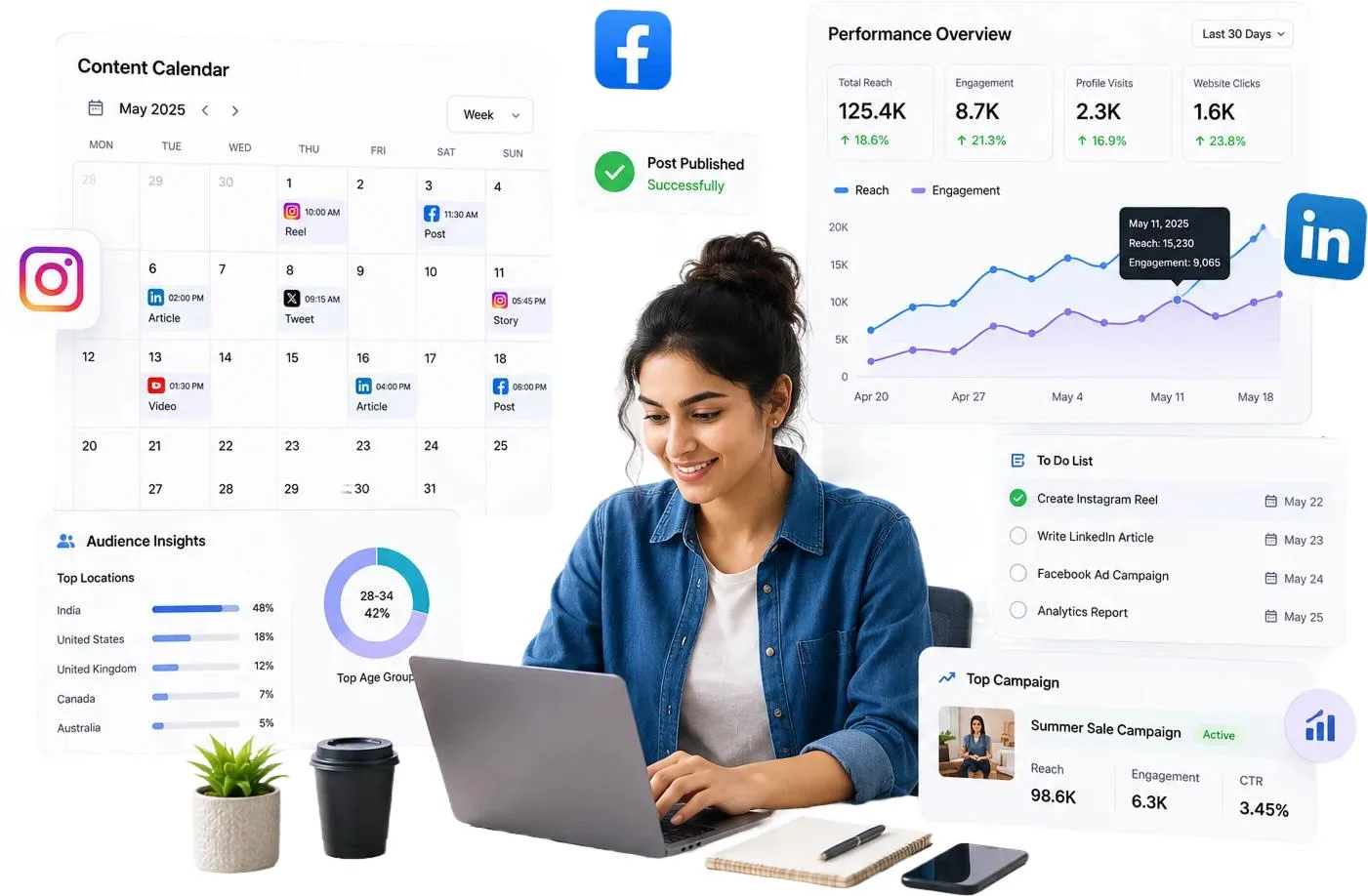
Social media has changed the way businesses communicate with customers. Today, people use platforms such as Instagram, Facebook and YouTube not only for entertainment but also to discover brands, compare products, explore services and make purchasing decisions.
For small businesses in Siliguri, social media offers an opportunity to reach local audiences, communicate their value and build relationships with potential customers.
However, simply creating a social media account and uploading occasional photographs is not a complete marketing strategy. Businesses need a clear direction, consistent content, audience understanding and performance tracking.
In this guide, we explore how small businesses in Siliguri can use social media marketing to strengthen their brands and support business growth in 2026.
1. What Is Social Media Marketing?
Social media marketing is the use of social networking platforms to promote a business, communicate with customers, publish content and support marketing objectives.
It can include:
Organic posts and reels.
Stories and short-form videos.
Community engagement.
Paid advertising campaigns.
Influencer collaborations.
Customer testimonials.
Product and service promotions.
Social media performance analysis.
The objective is not simply to collect followers. It is to build meaningful visibility and encourage relevant customer actions.
2. Why Social Media Marketing Matters in Siliguri
Siliguri has a diverse business environment, including retail stores, restaurants, educational institutions, healthcare providers, real estate companies, hospitality businesses and professional service providers.
A well-managed social media presence can help these businesses:
Introduce their products and services.
Reach audiences in their target locations.
Share offers and business updates.
Build familiarity and credibility.
Receive enquiries through messages and WhatsApp.
Showcase customer experiences.
Stay connected with existing customers.
Social media should support a business's wider marketing objectives rather than operate independently.
3. Choose the Right Social Media Platforms
Not every business needs to be active on every platform. Platform selection should depend on the target audience, business category and content capabilities.
Useful for visual storytelling, product showcases, reels, lifestyle content, fashion, food, hospitality and brand discovery.
Useful for local communities, business updates, events, promotions, customer communication and advertising.
YouTube
Suitable for educational videos, demonstrations, interviews, testimonials, long-form content and Shorts.
Useful for B2B companies, professional services, corporate branding, recruitment and business networking.
WhatsApp Business
Useful for direct customer communication, enquiries, product catalogues and customer follow-ups.
4. Build a Strong Social Media Profile
Your profile is often the first point of contact between your brand and a potential customer.
Make sure it includes:
Consistent business name and branding.
A clear profile photograph or logo.
A simple description of your services.
Relevant contact information.
Website or WhatsApp link.
Accurate location details.
Highlights or pinned content where useful.
A visitor should quickly understand what your business offers and how to contact you.
5. Create a Consistent Content Strategy
Random posting makes it difficult to build a recognisable brand. A content strategy gives every post a purpose.
Consider these content categories:
Educational Content
Share useful information, tips, answers to common questions and industry knowledge.
Product and Service Content
Explain what you offer, how it works and who can benefit from it.
Behind-the-Scenes Content
Show your team, work process, production, events and everyday business activities.
Customer Trust Content
Share genuine testimonials, reviews, case studies and customer experiences with permission.
Promotional Content
Communicate offers, launches, seasonal campaigns and relevant announcements.
A balanced content calendar should combine informative, engaging and promotional content.
6. Use Reels and Short-Form Videos
Short-form videos can help businesses demonstrate products, explain services and communicate their brand personality.
Ideas include:
Product demonstrations.
Before-and-after presentations.
Frequently asked questions.
Customer testimonials.
Team introductions.
Behind-the-scenes footage.
Local event coverage.
Quick educational tips.
Focus on a clear opening, useful information, readable captions and a relevant call to action.
Do not assume that every reel will go viral. The priority should be consistent, relevant communication.
7. Use Local Content to Connect with Customers
Businesses serving Siliguri and North Bengal can create content around genuine local interests, customer needs, seasonal occasions and community activities.
For example:
A restaurant can showcase its menu and dining experience.
A real estate company can explain local property considerations.
A clothing store can introduce new collections.
A coaching institute can share study tips and admission information.
A professional service provider can explain common customer problems.
Local relevance should come from useful information and authentic business activity, not from repeatedly inserting location names into captions.
8. Organic Social Media vs Paid Advertising
Organic social media builds a consistent presence through regular publishing and engagement. Paid advertising allows businesses to promote selected content to defined audiences.
Organic marketing can support long-term brand communication, while paid campaigns can help amplify offers, generate traffic and attract enquiries.
Businesses should choose a mix based on their objectives, available resources and customer acquisition strategy.
9. Measure Social Media Performance
Do not measure success only by followers or likes.
Track indicators such as:
Reach and impressions.
Video views and watch time.
Profile visits.
Website clicks.
WhatsApp conversations.
Qualified enquiries.
Cost per enquiry for paid campaigns.
Leads and sales generated.
Use platform insights and properly configured analytics to understand which content and campaigns contribute to business objectives.
10. Common Social Media Marketing Mistakes
Avoid these common problems:
Posting without a defined objective.
Using inconsistent brand designs.
Copying competitors without understanding your audience.
Publishing only promotional content.
Ignoring comments and messages.
Using poor-quality visuals.
Running ads without tracking conversions.
Buying fake followers or engagement.
Failing to maintain a content calendar.
Expecting immediate business results from every post.
11. Why Choose Tryone Digital Labs?
Tryone Digital Labs is a 360° digital growth company offering marketing, branding, creative and technology solutions.
Our social media marketing approach can include:
Social media strategy and planning.
Content calendar development.
Creative design.
Reels and video production.
Social media account management.
Campaign planning.
Paid advertising support.
Performance reporting.
Our focus is to help businesses build a consistent digital presence and connect their marketing activities with meaningful business goals.
Explore our website: https://www.tryonedigitallabsind.com/
Comments (0)
Be the first to comment.
Keep reading
Content Marketing in 2026: How Valuable Content Builds Customer Trust
Customers want useful information before making decisions. Learn how businesses can use blogs, videos, social media and educational content to build credibility and stronger customer relationships.
Performance Marketing in 2026: How to Turn Advertising into Measurable Growth
Digital advertising is more than spending money on campaigns. Discover how performance marketing helps businesses track results, understand customer behaviour and optimise advertising investments.
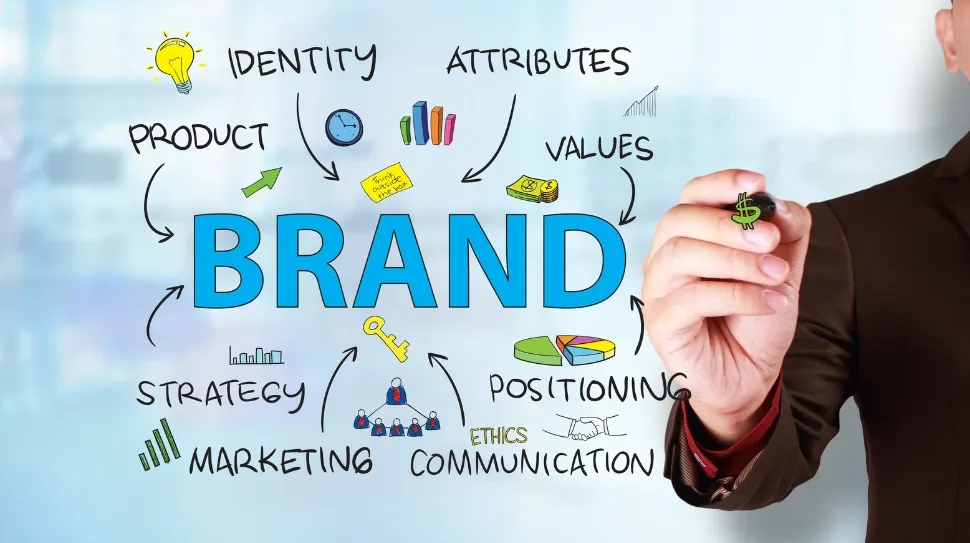
Digital Marketing for Startups: How to Build Your Brand from Zero
Starting a business is challenging, especially when building brand awareness from scratch. Discover how startups can use digital marketing, content, SEO and social media to establish their presence.