How AI Is Changing the Way Businesses Grow in 2026
Artificial intelligence is changing how businesses operate, communicate and make decisions. Explore practical AI applications in marketing, customer support, automation and business management.

Artificial Intelligence is changing the way businesses plan, communicate, market their products and manage everyday operations. Tasks that once required hours of manual work can now be supported by intelligent software, automation systems and data-driven tools.
For small and medium-sized businesses, AI creates opportunities to improve productivity, organise information and deliver better customer experiences.
However, adopting AI does not simply mean using a chatbot or generating social media captions. Businesses need to understand where AI can add genuine value, how to use it responsibly and which activities should continue to involve human judgement.
In this guide, we explore how businesses can use AI to support smarter operations and sustainable growth in 2026.
1. What Is Artificial Intelligence in Business?
Artificial Intelligence refers to technologies that can perform tasks involving activities such as language processing, pattern recognition, prediction, content generation and decision support.
Business applications include:
AI-powered customer support.
Automated data processing.
Marketing content assistance.
Sales workflow automation.
Business analytics.
Document processing.
Recommendation systems.
Workflow management.
AI should be treated as a business tool that supports people, not as a replacement for every human decision.
2. How AI Is Changing Digital Marketing
AI can help marketing teams analyse information, organise campaigns and produce content more efficiently.
Common applications include:
Content Planning
AI tools can help brainstorm topics, organise content calendars and prepare initial drafts.
Audience Analysis
Businesses can use analytics and AI-assisted tools to identify patterns in customer behaviour.
Advertising Optimisation
Advertising platforms use automated systems to support bidding, audience delivery and campaign optimisation.
Personalised Communication
Businesses can organise relevant messages for different customer groups, subject to consent and privacy requirements.
Human review remains essential to ensure that marketing messages are accurate, appropriate and aligned with the brand.
3. AI-Powered Customer Support
Customers often expect quick responses to common questions.
AI-assisted support systems can help businesses:
Answer frequently asked questions.
Share business information.
Route enquiries to the right department.
Collect basic enquiry details.
Provide support outside normal business hours.
For complicated requests, complaints or sensitive matters, customers should have access to a human representative.
4. Automating Repetitive Business Tasks
Automation can reduce repetitive manual work and improve process consistency.
Examples include:
Sending enquiry acknowledgements.
Assigning leads to team members.
Creating task reminders.
Organising customer records.
Generating routine reports.
Updating workflow statuses.
Before automating a process, document how it currently works and identify where errors or delays occur.
5. AI for Sales and Lead Management
AI-assisted sales tools can help businesses organise their sales pipeline.
Potential applications include:
Categorising incoming enquiries.
Summarising customer conversations.
Identifying incomplete lead records.
Preparing follow-up reminders.
Analysing pipeline activity.
Drafting personalised communication for human review.
AI-generated recommendations should be checked against actual customer information before sales teams act on them.
6. AI for Business Data and Decision-Making
Businesses collect information from sales, marketing, customer service and finance activities.
AI-assisted analysis can help identify patterns and summarise large amounts of information.
Useful applications include:
Sales performance summaries.
Campaign comparisons.
Customer enquiry analysis.
Inventory trends.
Operational reporting.
Forecasting scenarios.
The quality of an AI-generated analysis depends on the quality and completeness of the underlying data. Important decisions should be checked against reliable records.
7. AI Tools for Small Businesses
Small businesses do not need to build their own AI systems to start experimenting.
They can explore tools for:
Writing and research assistance.
Graphic design support.
Video editing.
Meeting summaries.
Customer communication.
Spreadsheet analysis.
Workflow automation.
Select tools based on the problem being solved, cost, privacy, reliability and integration requirements.
8. Risks Businesses Should Understand
AI adoption also introduces risks.
Important considerations include:
Incorrect or fabricated AI-generated information.
Exposure of confidential business data.
Copyright and licensing concerns.
Biased or unfair automated decisions.
Poor customer experiences from uncontrolled automation.
Dependence on unreliable third-party tools.
Unclear responsibility for AI-generated decisions.
Create usage guidelines and avoid entering sensitive customer or business information into tools without appropriate permission and safeguards.
9. How to Start Using AI in Your Business
A practical starting approach:
Identify one repetitive business problem.
Document the current workflow.
Select a suitable AI or automation tool.
Test it on a limited task.
Review accuracy and output quality.
Measure time saved and business impact.
Train the team.
Expand only when the process is reliable.
Start with a specific problem rather than adopting technology simply because it is popular.
10. Why Choose Tryone Digital Labs?
Tryone Digital Labs is a 360° digital growth company offering digital marketing, branding, creative and technology solutions.
Our AI and technology-related approach can include:
AI-assisted marketing workflows.
Business process automation planning.
Customer enquiry workflow design.
AI-powered content support.
Digital transformation consulting.
Technology and integration planning.
Our focus is to identify practical opportunities where technology can support business objectives.
Explore: https://www.tryonedigitallabsind.com/
Comments (0)
Be the first to comment.
Keep reading
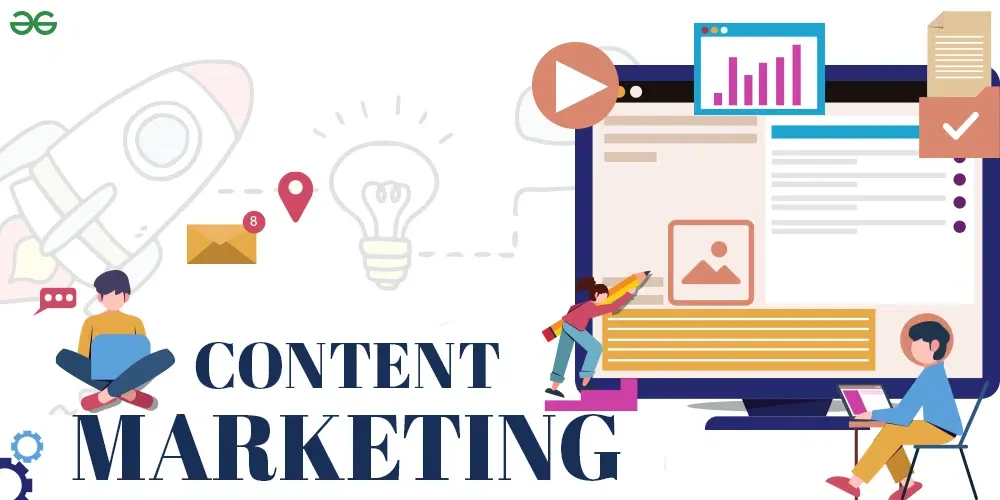
Content Marketing in 2026: How Valuable Content Builds Customer Trust
Customers want useful information before making decisions. Learn how businesses can use blogs, videos, social media and educational content to build credibility and stronger customer relationships.
Performance Marketing in 2026: How to Turn Advertising into Measurable Growth
Digital advertising is more than spending money on campaigns. Discover how performance marketing helps businesses track results, understand customer behaviour and optimise advertising investments.

Website Redesign in 2026: Signs Your Business Needs a New Website
Your website creates the first digital impression of your business. Discover the warning signs of an outdated website and how a strategic redesign can improve usability, credibility and conversions.