

How Digital Marketing Can Increase Event Attendance and Engagement
Digital marketing helps event organizers reach potential attendees, promote event experiences, increase registrations, and encourage participation. Learn how social media, SEO, email campaigns, online advertising, content marketing, and analytics can improve event attendance and engagement.
Event attendance depends on more than the quality of the event itself. People need to discover the event, understand its value, receive relevant information, and feel motivated to participate.
Digital marketing can help event organizers communicate with potential attendees before, during, and after an event. Through online channels, businesses can introduce an event, share important details, answer questions, encourage registrations, and maintain audience interest.
Digital marketing is especially useful because campaigns can be measured and adjusted. Organizers can review website visits, registration activity, engagement, and advertising performance to understand what is working.
Whether the event is a corporate conference, exhibition, concert, workshop, product launch, or community gathering, an organized digital marketing strategy can support stronger attendance and participation.
Businesses seeking event marketing and promotional support can explore Tryone Digital Labs.
1. Build an Event Website or Landing Page
An event website or landing page provides a central destination for all event information.
Potential attendees may discover an event through social media, online advertisements, search engines, or email. A dedicated page helps them understand the event and take the next step.
Essential Event Landing Page Elements
- Event name and theme
- Date and time
- Venue or online access details
- Event agenda
- Speaker or performer information
- Registration or ticketing process
- Event benefits
- FAQs
- Contact information
- Clear call to action
The page should be easy to navigate and optimized for mobile devices. Many users discover events through smartphones, so a complicated registration experience can discourage participation.
Make Registration Simple
A registration form should request only the information necessary for the event.
For example, a general public event may need a name, email address, and ticket selection. A professional conference may require additional details relevant to attendance.
The registration process should be tested before promotional campaigns begin. Organizers should confirm that forms, payment options, confirmation emails, and event information work properly.
2. Use Social Media to Create Event Awareness
Social media platforms can help event organizers reach audiences who may be interested in the event.
The right platform depends on the target audience and event type.
Instagram and Facebook may support consumer-facing or community events, while LinkedIn can be relevant for professional conferences, business workshops, and industry networking.
Social Media Content That Encourages Attendance
Event announcement: Introduce the event and explain its purpose.
Speaker or performer introduction: Highlight confirmed participants and their relevance.
Experience-focused content: Show what attendees can expect.
Countdown posts: Remind audiences as the event approaches.
Behind-the-scenes videos: Share preparations and event planning moments.
Short-form videos: Present event themes, demonstrations, or selected highlights.
Interactive posts: Ask questions, conduct polls, or encourage relevant discussions.
The content should communicate useful information rather than rely entirely on promotional language.
3. Create Content That Shows the Value of Attending
Potential attendees often want to know what they will gain from participating.
Event content should explain the value of the experience in terms that are relevant to the target audience.
Content Marketing Ideas for Events
- Blog articles about the event theme
- Speaker interviews
- Event preparation videos
- Educational posts
- Frequently asked questions
- Agenda highlights
- Short interviews with organizers
- Relevant industry insights
For example, a business conference can publish articles about the challenges its sessions will address. A music event can share artist introductions and information about the experience.
Useful content can help potential attendees make informed decisions and improve the event’s visibility through organic search.
4. Improve Event Visibility Through SEO
Search Engine Optimization can help potential attendees discover an event when they search for relevant information.
An event website should use clear titles, descriptions, page headings, and relevant keywords.
Event SEO Best Practices
Use relevant keywords: Include terms related to the event type, location, date, and audience where appropriate.
Optimize the event page: Provide clear event information in the page content.
Create supporting content: Publish useful articles or resources related to the event topic.
Use internal links: Connect the event page to relevant pages on the business website.
Maintain accurate details: Ensure that date, venue, registration, and schedule information are consistent.
Improve technical usability: Make the page mobile-friendly, accessible, and reasonably fast.
For a local event, location-related information can help users understand whether the event is relevant to them.
SEO is a long-term channel, so it should be combined with other promotional methods when an event has a short timeline.
5. Use Email Marketing to Encourage Registrations
Email marketing can help organizers communicate with people who have expressed interest in the event or subscribed to relevant updates.
An email campaign can provide information, answer questions, and remind recipients about registration deadlines.
Event Email Campaign Structure
Announcement email: Introduce the event and explain its value.
Registration email: Provide the event page and signup details.
Reminder email: Encourage interested recipients to complete registration.
Confirmation email: Share registration status and important information.
Pre-event email: Provide the schedule, venue details, or preparation instructions.
Post-event email: Thank attendees and request feedback.
Emails should be sent at appropriate intervals. Excessive reminders can create frustration, while insufficient communication may leave attendees without essential information.
Businesses should respect consent and subscriber preferences.
6. Use Paid Digital Advertising
Paid advertising can help event organizers reach relevant audiences beyond their existing followers and subscribers.
Campaigns may use social media advertising, search ads, or other appropriate digital placements.
Event Advertising Strategies
Awareness campaigns: Introduce the event to audiences who may be interested.
Traffic campaigns: Direct users to the event landing page.
Registration campaigns: Encourage users to complete a signup.
Ticket campaigns: Promote ticket availability and accurate pricing details.
Retargeting campaigns: Reach people who previously interacted with the event campaign, where platform policies and privacy requirements permit.
The creative should communicate the event’s main details clearly. Advertisements should not rely on vague claims or misleading urgency.
Track Advertising Performance
Useful metrics include:
- Click-through rate
- Cost per landing-page visit
- Cost per registration
- Registration conversion rate
- Ticket purchase rate
These metrics can help organizers understand whether advertising is reaching an appropriate audience.
7. Collaborate With Influencers and Relevant Communities
Influencer collaborations can support event awareness by introducing an event to an established audience.
The creator should have a relevant audience and a genuine connection to the event category.
Collaboration Opportunities
- Event announcement videos
- Speaker or performer interviews
- Promotional posts
- Event previews
- Live discussions
- Event-day coverage
Community partnerships can also be valuable. Educational institutions, business associations, local organizations, and relevant professional groups may help share event information.
Partnership responsibilities should be clearly defined. Paid or gifted collaborations should be disclosed appropriately.
8. Use Audience Engagement Activities
Digital engagement can help potential attendees feel more involved in the event.
Engagement Ideas
- Ask audiences what topics they want covered
- Conduct polls about event activities
- Invite questions for speakers
- Share behind-the-scenes updates
- Introduce event participants
- Encourage attendees to share their plans
- Publish interactive event information
For online events, engagement can include moderated chats, Q&A sessions, polls, and audience participation activities.
For offline events, digital communication can help attendees prepare and remain informed.
Engagement activities should be relevant and accessible to the audience.
9. Improve Attendance Through Clear Communication
Some registered attendees may not participate because they forget the event, lack important information, or experience uncertainty about logistics.
Organizers can reduce these barriers through timely communication.
Information to Share With Attendees
- Event timing
- Venue address
- Entry instructions
- Parking or transport information
- Schedule
- Required documents or materials
- Contact details
- Online access instructions
For events with changes, organizers should communicate updates promptly through suitable channels.
Clear communication can improve the attendee experience and reduce avoidable confusion.
10. Measure Attendance and Engagement
Digital marketing allows event organizers to assess campaign effectiveness.
Metric Purpose
Website visits Measures event page traffic
Registrations Tracks signups
Registration conversion rate Measures how effectively visitors register
Attendance rate Measures registered attendees who participate
Email click rate Evaluates email engagement
Social engagement Measures audience interaction
Cost per registration Evaluates promotional efficiency
Audience feedback Helps assess attendee experience
Repeat attendance interest Indicates potential future participation
Metrics should be considered together.
For example, a campaign may generate many registrations but have a low attendance rate. Organizers may need to improve reminders, logistics communication, or the registration process.
11. Continue Marketing After the Event
Post-event marketing can strengthen relationships and support future attendance.
Post-Event Digital Activities
- Share event highlights
- Publish approved photos and videos
- Thank attendees and partners
- Collect feedback
- Share useful event resources
- Publish a recap article
- Announce future events where appropriate
Post-event content can also help people who were unable to attend understand the event’s value.
Conclusion
Digital marketing can increase event attendance and engagement by improving event discovery, communicating value, simplifying registration, and maintaining audience interest.
A well-planned strategy combines social media, SEO, email marketing, advertising, content creation, partnerships, and performance analytics.
Event organizers should focus on delivering accurate information and a meaningful experience to the target audience.
For businesses looking to improve event promotion and digital campaign execution, Tryone Digital Labs can be explored for relevant marketing solutions. https://www.tryonedigitallabsind.com/
Comments (0)
Be the first to comment.
Keep reading
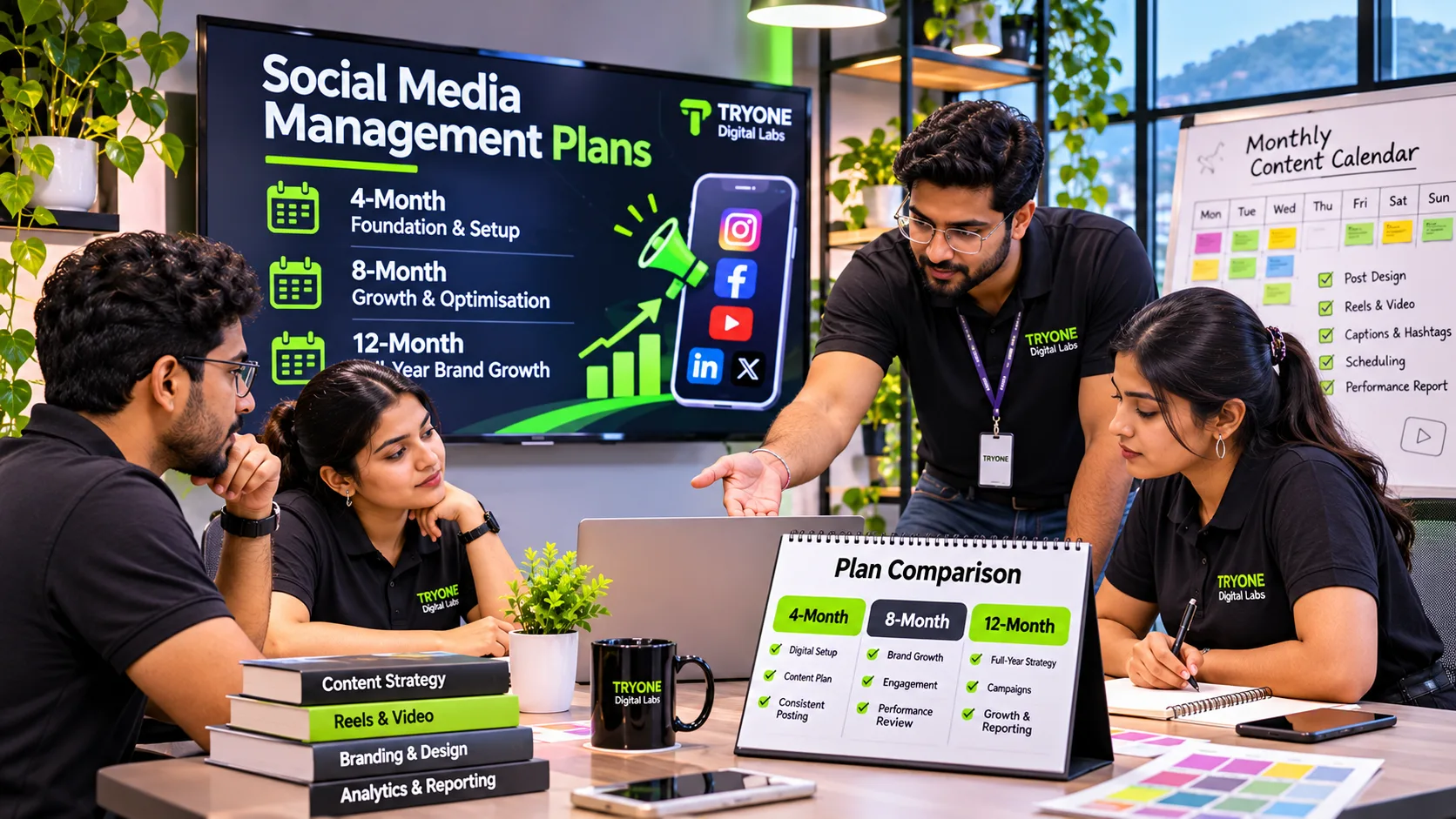
4, 8 and 12-Month Social Media Management Plans: What Businesses Should Expect
Understand what to expect from 4, 8 and 12-month social media management plans, including content creation, platform management, brand consistency, audience engagement and performance reporting.
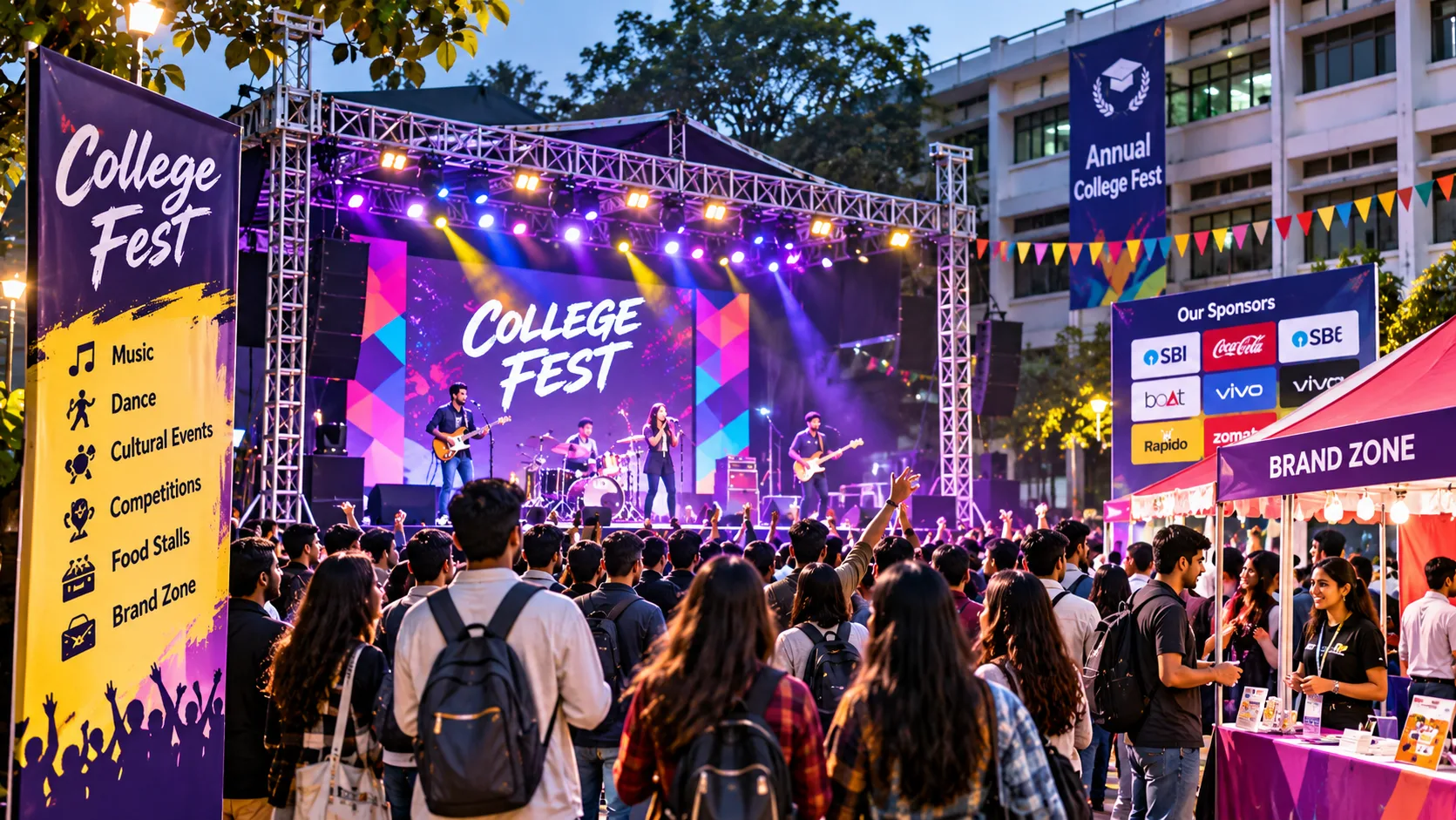
How to Organise a College Fest and Win Sponsors
Learn how to organise a successful college fest, prepare sponsorship proposals, approach brands, plan event activities and promote campus events in North Bengal.
Puja Committee Promotion Plan: Social Media and Crowd Building
Discover how Puja committees can promote Durga Puja through social media, local campaigns, sponsor partnerships, visitor information and community engagement.
