

How to Build a Personal Brand on LinkedIn in 2026
Personal branding on LinkedIn helps professionals communicate their expertise, build credibility, and connect with relevant opportunities. This guide explains how to optimise your profile, create valuable content, develop a professional network, and maintain a consistent LinkedIn presence in 2026.
In today's professional environment, people increasingly use digital platforms to discover opportunities, build relationships, and establish credibility. LinkedIn has become an important platform for professionals, entrepreneurs, consultants, and business owners who want to communicate their expertise.
Personal branding on LinkedIn is the process of presenting your professional identity, skills, experience, values, and knowledge in a consistent and meaningful way.
A strong personal brand can help professionals become more recognisable within their industries. It can also support networking, business development, career growth, and professional communication.
However, building a personal brand requires more than creating a profile and posting occasionally. It involves a clear strategy, valuable content, and consistent engagement.
Businesses that want to strengthen their professional presence can also benefit from understanding personal branding. For digital branding and communication support, Tryone Digital Labs provides digital marketing and technology services.
What Is Personal Branding on LinkedIn?
Personal branding on LinkedIn refers to how a professional communicates their identity and expertise to a wider audience.
It includes profile information, content, professional achievements, communication style, and networking activities.
For example, a marketing professional may focus on sharing insights about branding, social media, advertising, and campaign strategy. A software developer may communicate expertise through technical insights, projects, and industry discussions.
The purpose is to create a clear professional identity that audiences can understand and remember.
Why Is Personal Branding Important on LinkedIn?
Builds Professional Credibility
Sharing useful information and demonstrating expertise can help professionals establish credibility.
A well-maintained profile, relevant content, and thoughtful engagement can communicate professional seriousness.
Creates Networking Opportunities
LinkedIn allows professionals to connect with people across industries and locations.
A consistent personal brand may help attract relevant connections, collaborations, and professional conversations.
Supports Career Growth
Recruiters, business owners, and industry professionals may use LinkedIn to understand someone's experience and capabilities.
A clear profile helps communicate professional strengths.
Helps Generate Business Opportunities
Entrepreneurs and consultants can use LinkedIn to explain their services, share insights, and build relationships with potential clients.
Personal branding can support business development when it focuses on relevant audiences.
How to Build a Personal Brand on LinkedIn Step by Step
Step 1: Define Your Professional Identity
Start by identifying what you want to be known for.
Consider your skills, experience, interests, and professional goals.
For example, you may want to establish yourself as a digital marketing strategist, business consultant, designer, or technology professional.
A clear focus makes your content and profile more consistent.
Step 2: Optimise Your LinkedIn Profile
Your profile is often the first point of contact for people discovering your professional identity.
Optimise the following sections:
Profile Photo: Use a clear and professional photograph that is appropriate for your industry.
Headline: Explain your professional role and the value you provide. Avoid using only a generic job title.
About Section: Describe your experience, skills, interests, and professional goals in a readable format.
Experience: Include relevant responsibilities, projects, and achievements.
Featured Section: Highlight useful posts, projects, articles, or professional work.
Skills: Add relevant skills that accurately reflect your capabilities.
Step 3: Develop a Content Strategy
Create content that supports your professional identity.
You can share:
- Industry insights
- Professional lessons
- Project experiences
- Educational tips
- Career milestones
- Case studies
- Opinions on relevant industry developments
Your content should provide value instead of focusing entirely on self-promotion.
Step 4: Maintain a Consistent Posting Schedule
Consistency helps establish a recognisable presence.
Choose a posting schedule that you can maintain. For example, you may publish two or three valuable posts each week.
The quality and relevance of content should remain more important than posting frequently without a clear purpose.
Step 5: Engage with Your Professional Network
Personal branding is not limited to publishing content.
Comment thoughtfully on relevant posts, participate in industry discussions, and respond to people who engage with your content.
Avoid generic comments that do not contribute to the conversation.
Step 6: Track Your Performance
Review your profile views, post impressions, engagement, and connection growth.
These indicators can help you understand which topics are attracting attention.
LinkedIn analytics can provide useful information, but performance should be interpreted in relation to your professional objectives.
Common Personal Branding Mistakes to Avoid
Professionals should avoid inconsistent messaging, excessive self-promotion, incomplete profiles, irrelevant content, and unprofessional communication.
Another mistake is trying to present expertise in too many unrelated areas.
A personal brand becomes easier to understand when it has a clear focus.
Conclusion
Building a personal brand on LinkedIn requires clarity, consistency, and meaningful communication.
By defining a professional identity, optimising a profile, sharing valuable content, and engaging with relevant audiences, professionals can develop a stronger digital presence.
A well-maintained LinkedIn personal brand can support professional relationships, career opportunities, and business development.
For businesses and professionals seeking digital branding support, explore Tryone Digital Labs. https://www.tryonedigitallabsind.com/
Comments (0)
Be the first to comment.
Keep reading
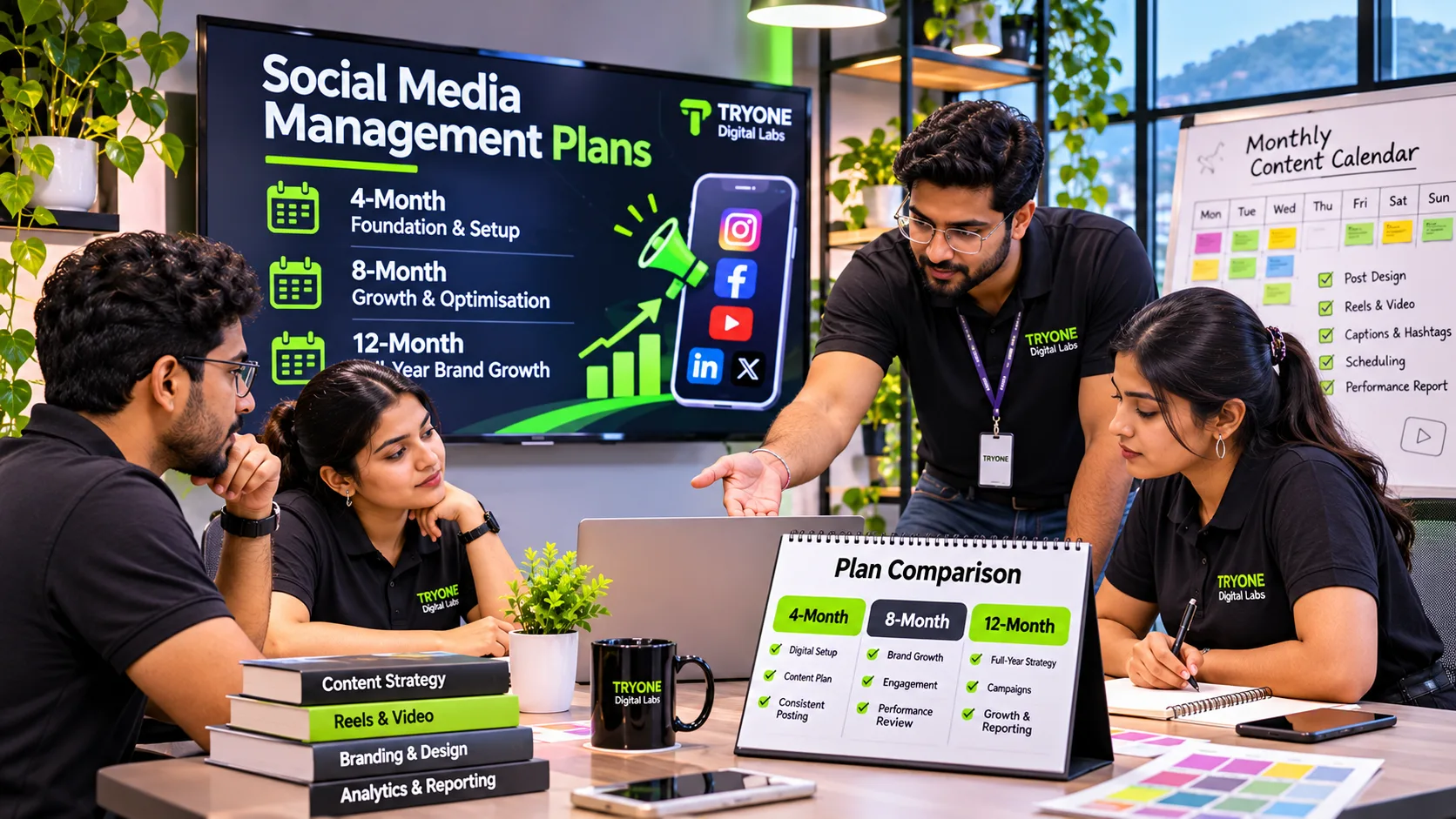
4, 8 and 12-Month Social Media Management Plans: What Businesses Should Expect
Understand what to expect from 4, 8 and 12-month social media management plans, including content creation, platform management, brand consistency, audience engagement and performance reporting.
Puja Committee Promotion Plan: Social Media and Crowd Building
Discover how Puja committees can promote Durga Puja through social media, local campaigns, sponsor partnerships, visitor information and community engagement.

Local Marketing Ideas for Hill Cart Road and Sevoke Road Shops
Discover 10 effective local marketing ideas for Hill Cart Road and Sevoke Road shops in Siliguri, including SEO, Instagram Reels, Google Ads, WhatsApp marketing and local branding.
