Influencer Marketing in 2026: How Brands Can Build Trust Through Creator Partnerships
Influencer marketing allows businesses to connect with audiences through trusted content creators. Discover how to identify suitable influencers, plan collaborations and measure campaign performance.
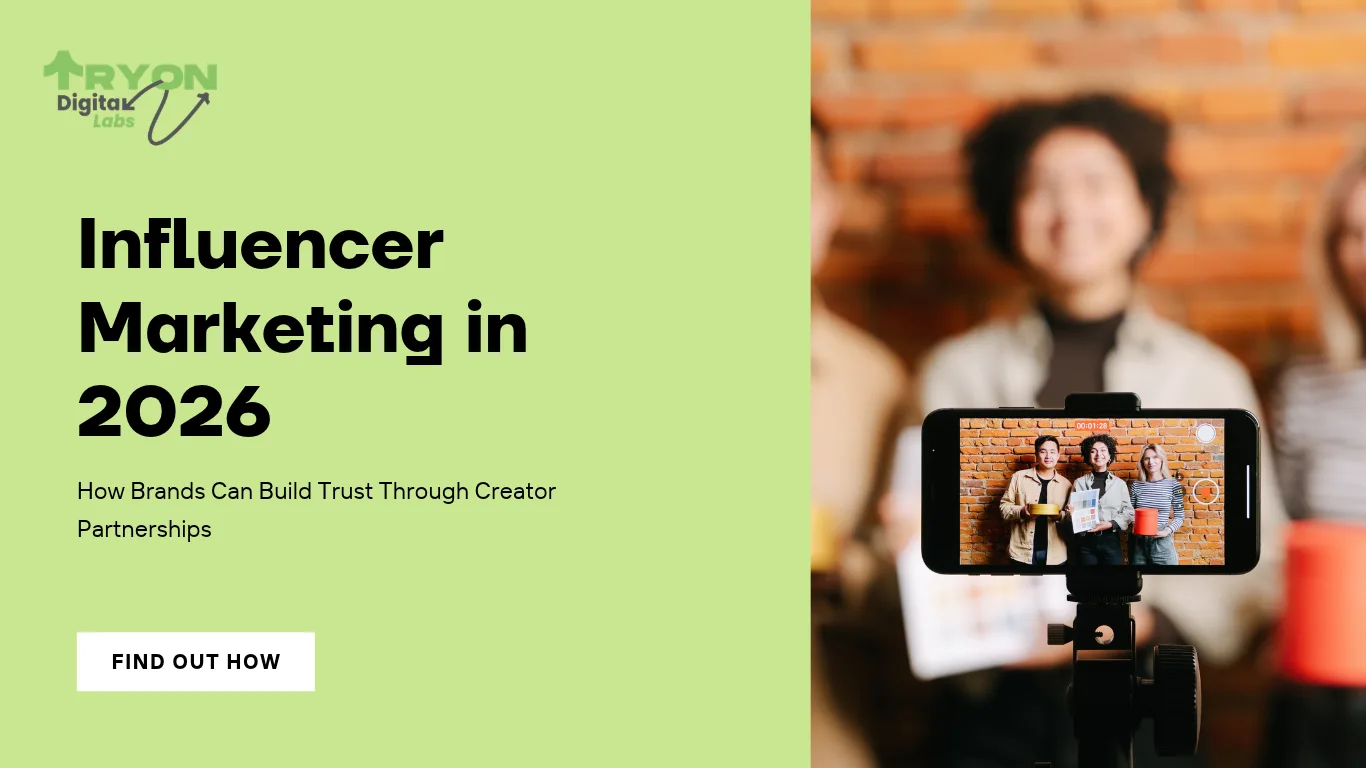
People often discover products and services through content creators they follow on social media.
From product reviews and tutorials to lifestyle videos and recommendations, creators influence how audiences explore brands and evaluate purchasing options.
This has made influencer marketing an important part of modern digital marketing.
However, successful influencer marketing is not simply about selecting someone with a large follower count. It is about finding creators whose audiences, content and values match the brand.
1. What Is Influencer Marketing?
Influencer marketing is a promotional strategy in which businesses collaborate with content creators to communicate their products or services to relevant audiences.
Common collaborations include:
Sponsored posts.
Product reviews.
Promotional Reels.
Brand mentions.
Event coverage.
Product demonstrations.
Affiliate campaigns.
Long-term brand partnerships.
2. Why Influencer Marketing Matters in 2026
Creators can help brands communicate through content that feels relevant to specific communities.
Potential benefits include:
Increased brand awareness.
Access to niche audiences.
Product discovery.
Creative storytelling.
Community engagement.
Opportunities to generate enquiries and sales.
Recent 2026 industry research highlights the growing role of micro- and mid-tier creators in brand marketing strategies.
HubSpot Blog+1
3. Understand Different Types of Influencers
Influencers can be grouped according to audience size and content reach.
Type | General Audience Size |
Nano Influencers | 1K–10K |
Micro Influencers | 10K–100K |
Macro Influencers | 100K–1M |
Mega Influencers | Above 1M |
These are commonly used industry categories, not universal definitions.
Smaller creators may be particularly useful for niche communities and local campaigns.
4. Identify the Right Influencer for Your Brand
Before selecting a creator, evaluate:
Audience demographics.
Content quality.
Engagement patterns.
Industry relevance.
Location.
Audience authenticity.
Previous brand collaborations.
Professional communication.
A creator's audience relevance is often more important than follower count alone.
5. Develop a Clear Influencer Campaign Strategy
A campaign should begin with a defined objective.
Possible objectives include:
Brand awareness.
Product promotion.
Website traffic.
Event visibility.
Lead generation.
Product education.
Community engagement.
Decide what success should look like before approaching creators.
6. Create Authentic Brand Collaborations
Influencer content should communicate the brand's message while maintaining the creator's natural presentation style.
Provide:
Campaign objectives.
Key product information.
Required disclosures.
Important brand guidelines.
Deliverable details.
Publishing timelines.
Usage rights and payment terms.
Avoid forcing creators to make unrealistic or misleading claims.
7. Explore Different Influencer Campaign Formats
Campaign Format | Purpose |
Product Review | Explain product experience |
Unboxing | Showcase packaging and features |
Instagram Reel | Introduce the product |
Story Promotion | Share campaign updates |
Event Collaboration | Increase event visibility |
Tutorial | Demonstrate product usage |
Affiliate Campaign | Track referral-driven sales |
8. Understand Influencer Marketing Regulations
Businesses should ensure that sponsored content is clearly disclosed.
In India, brands and creators should pay attention to applicable advertising disclosure guidance, including ASCI's influencer advertising guidelines.
Paid, gifted and other material connections should be disclosed appropriately.
9. Measure Influencer Campaign Performance
Track:
Campaign reach.
Impressions.
Engagement.
Video views.
Link clicks.
Referral traffic.
Enquiries.
Conversions.
Cost per result.
Use trackable links or campaign codes when suitable.
10. Common Influencer Marketing Mistakes
Selecting creators only by follower count.
Ignoring audience relevance.
Not defining campaign objectives.
Failing to agree on deliverables.
Ignoring sponsorship disclosures.
Using unrealistic product claims.
Not measuring results.
Choosing creators with inconsistent brand values.
11. Why Choose Tryone Digital Labs?
Tryone Digital Labs provides digital marketing, branding and creative solutions to support business growth.
Our related capabilities can include:
Influencer campaign planning.
Creator research.
Brand collaboration strategy.
Social media management.
Campaign creative development.
Promotional content planning.
Digital advertising.
Campaign performance analysis.
Website: https://www.tryonedigitallabsind.com/
Frequently Asked Questions
1. What is influencer marketing?
It is a marketing approach where businesses collaborate with content creators to promote products or services.
2. Are micro-influencers useful for small businesses?
Yes. Micro-influencers can help businesses connect with focused and relevant communities.
3. How do brands select influencers?
Brands should evaluate audience relevance, content quality, engagement, authenticity and campaign suitability.
4. Is influencer marketing expensive?
Costs depend on creator reach, content requirements, usage rights and campaign duration.
5. How can influencer campaigns be measured?
Businesses can track reach, engagement, clicks, enquiries, conversions and campaign costs.
6. Should sponsored influencer posts be disclosed?
Yes. Applicable advertising disclosure requirements should be followed transparently.
Conclusion
Influencer marketing provides businesses with opportunities to reach new audiences through relevant creator partnerships.
The most successful collaborations focus on audience relevance, authenticity, clear objectives and measurable outcomes.
Want to create meaningful influencer partnerships for your brand?
Connect with Tryone Digital Labs.
Website: https://www.tryonedigitallabsind.com/
Tryone Digital Labs – Your 360° Growth Partner.
#InfluencerMarketing #CreatorMarketing #BrandCollaboration #SocialMediaMarketing #DigitalGrowth #TryoneDigitalLabs
Comments (0)
Be the first to comment.
Keep reading
Digital Marketing for Small Businesses in Siliguri
Digital marketing provides small businesses with opportunities to reach local customers and build brand awareness. Explore practical strategies to strengthen your online presence in Siliguri.

Digital Marketing for Real Estate Businesses in 2026: How to Generate Quality Property Leads
Property buyers increasingly use digital platforms to explore real estate opportunities. Learn how real estate businesses can strengthen their online presence, showcase properties and generate relevant enquiries through digital marketing.
Online Reputation Management in 2026: How to Build Trust and Protect Your Brand Image
Customers often research a business before choosing its products or services. Discover how online reputation management, customer reviews and professional communication can strengthen brand credibility.