

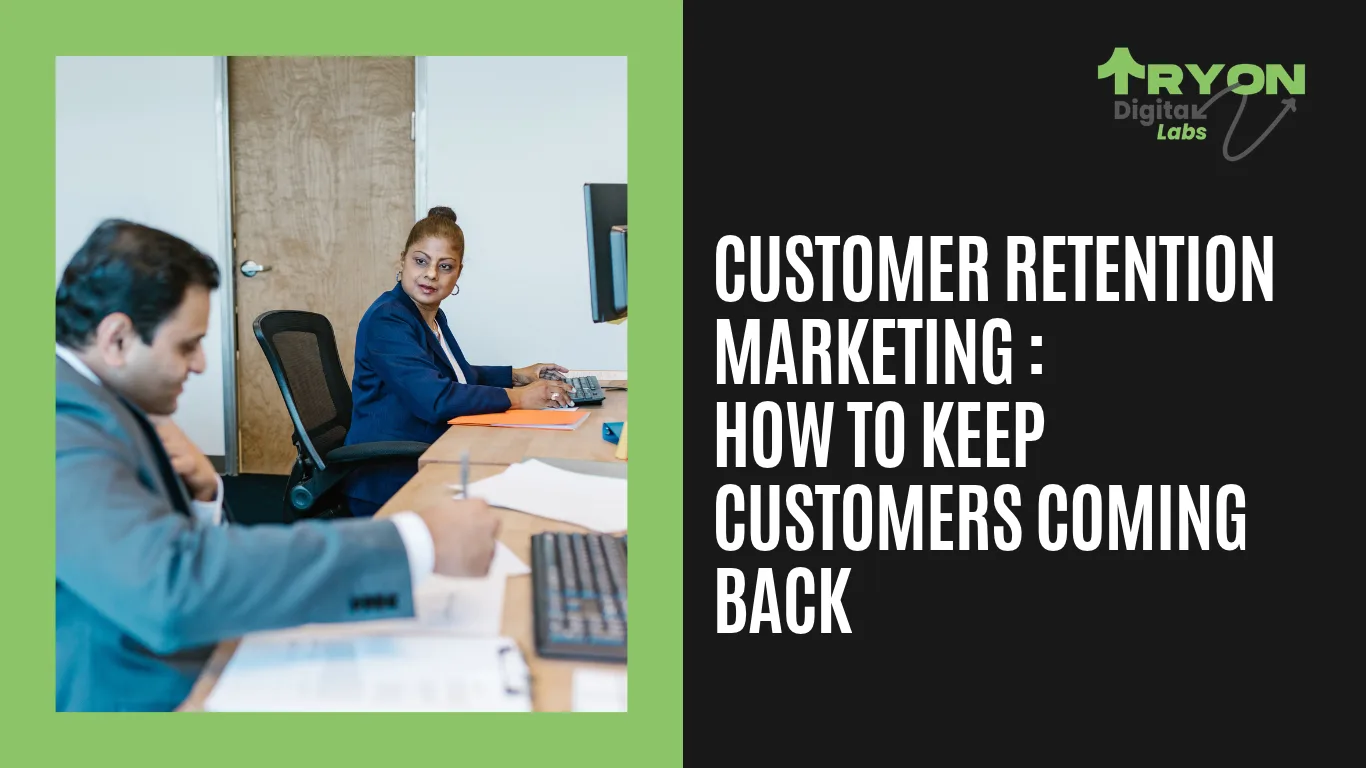
Customer Retention Marketing : How to Keep Customers Coming Back
Customer retention marketing focuses on building lasting relationships with existing customers. Learn how personalized communication, loyalty programs, customer support, and consistent experiences can encourage repeat purchases and support sustainable business growth.
Businesses often focus heavily on attracting new customers. They invest in advertisements, social media campaigns, promotional offers, and lead generation activities. While customer acquisition is important, long-term business growth also depends on retaining existing customers.
Customer retention marketing focuses on encouraging customers to continue choosing a business after their first purchase or interaction. It involves creating positive experiences, maintaining communication, understanding customer needs, and offering value over time.
A customer who has already purchased from a business may be familiar with its products or services. With a satisfactory experience, that customer may return, recommend the business to others, or explore additional offerings.
Customer retention should therefore be an important part of a company's overall marketing strategy.
Businesses can explore digital growth services at Tryone Digital Labs.
What Is Customer Retention Marketing?
Customer retention marketing refers to the strategies businesses use to maintain relationships with existing customers and encourage continued engagement.
Unlike acquisition marketing, which focuses on attracting new customers, retention marketing focuses on the experience after the first purchase.
Examples include:
- Customer loyalty programs
- Personalized offers
- Email newsletters
- Post-purchase communication
- Customer feedback campaigns
- Membership benefits
- Re-engagement campaigns
- Helpful customer support
These activities aim to provide customers with reasons to continue interacting with the business.
Why Customer Retention Matters
1. Supports Sustainable Business Growth
Repeat customers can contribute to a more stable revenue stream.
For businesses that offer products or services customers may need repeatedly, maintaining relationships can be especially valuable.
For example, a pharmacy, café, salon, or subscription-based service may benefit from customers who return regularly.
2. Builds Brand Trust
Customers who have positive experiences may develop confidence in the business.
Consistent service quality, reliable communication, and transparent policies help strengthen this trust.
3. Encourages Recommendations
Satisfied customers may recommend a business to friends, family members, or colleagues.
Word-of-mouth recommendations can help businesses reach new audiences through existing relationships.
4. Provides Valuable Customer Insights
Existing customers can provide feedback about products, services, and experiences.
Businesses can use this information to identify areas for improvement and understand what customers value most.
Effective Customer Retention Marketing Strategies
1. Deliver a Consistent Customer Experience
Customer retention begins with the quality of the experience.
Businesses should ensure that their products, services, communication, and customer support meet reasonable expectations.
For example, a business that promotes fast service should make a genuine effort to provide timely assistance.
Consistency helps customers understand what they can expect from the brand.
2. Use Personalized Communication
Personalized communication can make customers feel that the business understands their needs.
A company may send relevant product updates, service reminders, or helpful information based on customer preferences.
Personalization should remain appropriate and respect customer privacy.
Avoid sending messages that feel intrusive or unrelated.
3. Create a Customer Loyalty Program
Loyalty programs can reward customers for repeat purchases or continued engagement.
Common loyalty program formats include:
- Points-based rewards
- Membership benefits
- Exclusive offers
- Referral rewards
- Milestone-based discounts
A loyalty program should be simple to understand and genuinely beneficial.
Businesses should avoid complicated conditions that make rewards difficult to redeem.
4. Stay Connected After the Purchase
Customer communication should not end immediately after a sale.
Businesses can send useful follow-up messages, product instructions, service information, or feedback requests.
For example, an electronics retailer may share product care tips after a purchase. A service provider may send a follow-up message asking whether the customer needs additional assistance.
These interactions can improve the customer experience.
5. Offer Helpful Customer Support
Customer support plays an important role in retention.
When customers encounter problems, they expect businesses to respond professionally and provide appropriate assistance.
Businesses should make support channels easy to access and ensure that customer concerns are handled consistently.
A helpful resolution can improve a customer's perception of the brand.
6. Re-Engage Inactive Customers
Some customers may stop interacting with a business over time.
A re-engagement campaign can remind them about relevant products, services, or updates.
For example, a business may send an occasional email to inactive subscribers with useful information or a relevant offer.
However, re-engagement messages should be limited and respectful. Customers who no longer wish to receive communication should be able to unsubscribe easily.
How to Measure Customer Retention
Businesses can use several metrics to understand retention performance.
Customer Retention Rate
Customer retention rate measures the percentage of customers who remain customers over a specific period.
A commonly used formula is:
Customer Retention Rate = [(Customers at End − New Customers Acquired) ÷ Customers at Start] × 100
For example, if a business starts a month with 200 customers, ends with 220 customers, and acquires 50 new customers, the retention rate is:
[(220 − 50) ÷ 200] × 100 = 85%
The formula should be applied consistently with a clearly defined customer period.
Repeat Purchase Rate
Repeat purchase rate measures the proportion of customers who make more than one purchase during a specified period.
It can help businesses understand whether customers are returning.
Customer Lifetime Value
Customer lifetime value estimates the revenue or value a customer may generate throughout their relationship with a business.
It can help businesses evaluate retention efforts and long-term customer relationships.
Churn Rate
Churn rate measures the proportion of customers who stop using a product or service during a defined period.
Businesses should define churn carefully, especially for subscription services and businesses with irregular purchasing patterns.
Common Customer Retention Mistakes
Businesses should avoid focusing only on discounts, ignoring customer complaints, sending excessive promotional messages, and treating all customers identically.
Discounts may encourage short-term purchases, but they do not necessarily create long-term loyalty.
Another mistake is failing to measure retention. Without data, businesses may not understand whether their customer relationship strategies are working.
Retention marketing should focus on value, trust, and customer experience.
Conclusion
Customer retention marketing helps businesses develop stronger relationships with existing customers. Through consistent service, personalized communication, loyalty programs, and useful follow-up, companies can encourage repeat purchases and build lasting trust.
The most effective retention strategies focus on delivering genuine value rather than relying only on promotional offers.
For digital marketing strategies that support business growth and customer relationships, visit Tryone Digital Labs. https://www.tryonedigitallabsind.com/
Comments (0)
Be the first to comment.
Keep reading

Email Marketing Strategy: How to Build Customer Relationships and Increase Sales
Discover how email marketing helps businesses nurture leads, communicate with customers, promote products and services, automate follow-ups and build long-term customer relationships.

Influencer Marketing Strategy: How Businesses Can Build Brand Awareness and Generate Leads
Discover how influencer marketing helps businesses reach targeted audiences, build brand credibility, promote products and services, and generate meaningful customer enquiries through strategic creator collaborations.
Marketing Attribution: How to Identify Which Campaigns Drive Results
Marketing attribution helps businesses understand how different marketing channels contribute to customer conversions. Discover attribution models, customer journey analysis, and practical ways to measure campaign performance.
