

Artist Booking for Events: Local vs Bollywood Artists – A Complete Guide
Understand how to book local and Bollywood artists for events, compare costs, manage contracts, arrange travel and accommodation, and coordinate technical and backstage requirements.
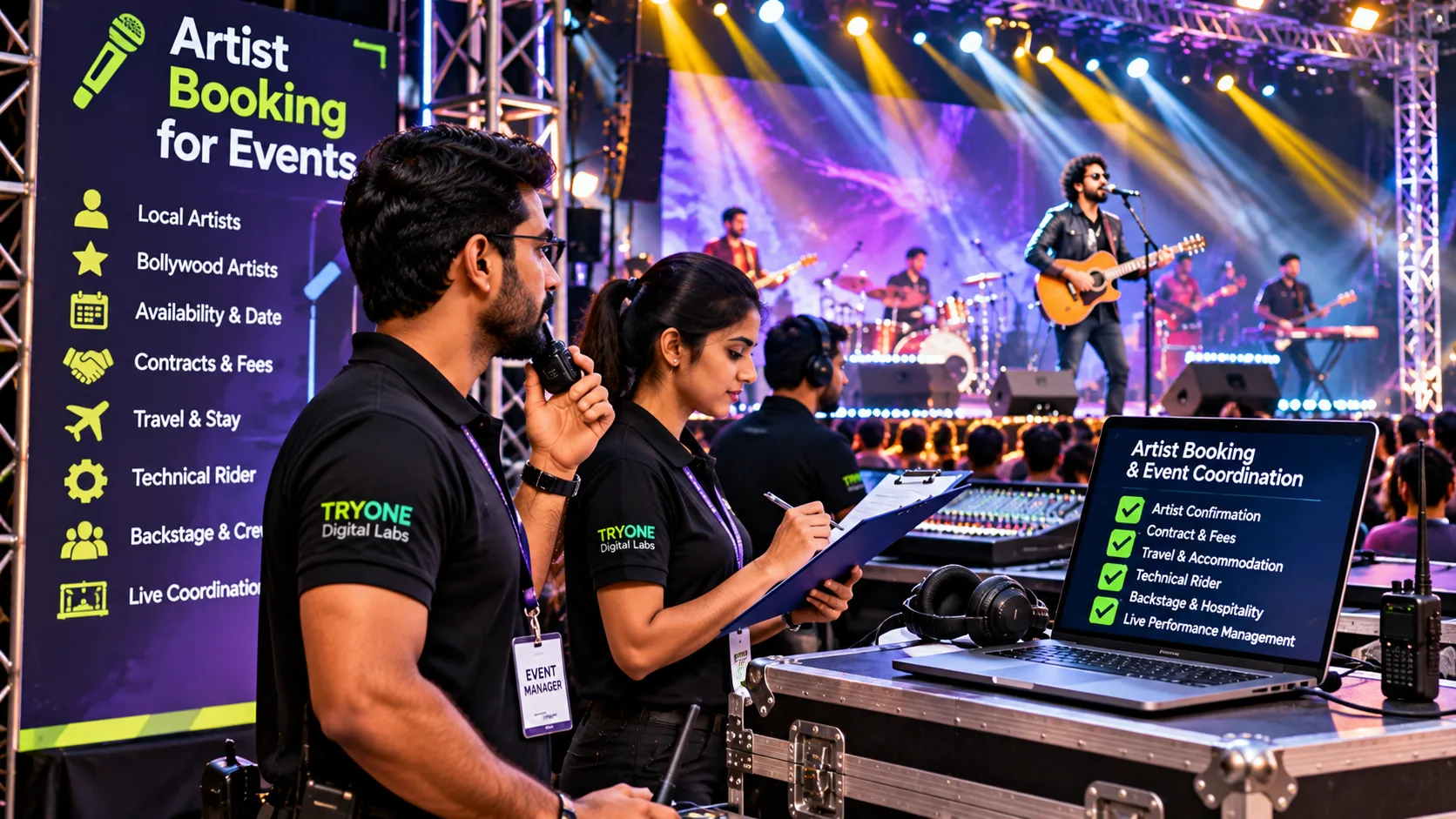
Artist booking is one of the most important responsibilities when organising concerts, festivals, college events, corporate functions and cultural programmes. The right performer can match the event's theme, audience expectations, venue capacity and overall budget.
However, booking an artist involves much more than contacting a manager and confirming a performance date. Event organisers must evaluate artist availability, professional fees, technical requirements, travel arrangements, accommodation, contracts and backstage coordination.
Choosing between a local performer and a Bollywood artist also depends on the scale and purpose of the event. Both options can work well when the selection is made according to the event requirements.
This guide explains the artist booking process and the operational responsibilities involved in managing performers professionally.
1. Understand the Event Before Selecting an Artist
The first step is to define the event requirements. An artist who is suitable for a college festival may not be the right choice for a corporate gathering or a ticketed concert.
Before approaching artists, identify:
Type of event and programme format.
Event date and performance timing.
Venue and stage capacity.
Expected audience size.
Audience age group and preferences.
Available artist budget.
Required performance duration.
Language and music preferences.
Technical production requirements.
Travel and accommodation arrangements.
Prepare a short event brief containing these details. It will help artist managers and booking agencies understand the requirement and provide relevant proposals.
2. Local Artists vs Bollywood Artists
Both local and nationally recognised artists have different advantages. The choice should depend on the event's requirements rather than popularity alone.
Local Artists
Local singers, bands, DJs, dancers, performers and cultural groups can be suitable for regional events, community programmes, festivals and smaller concerts.
Potential advantages include:
Easier communication and coordination.
Lower travel and accommodation requirements when the artist is based nearby.
Better familiarity with regional languages and cultural preferences.
More flexibility for certain local programmes.
Opportunities to support regional talent.
However, availability, performance experience, technical requirements and audience suitability should still be evaluated.
Bollywood and National-Level Artists
Popular Bollywood singers, celebrity performers and nationally recognised artists may be suitable for large concerts, premium events, major festivals and high-profile corporate programmes.
Their booking may involve:
Higher professional fees.
Advance date confirmation.
Formal contracts and management approvals.
Detailed travel and accommodation arrangements.
Specific stage, sound and lighting requirements.
Larger production and security arrangements.
Additional coordination with artist managers and representatives.
A nationally recognised artist is not automatically the best choice for every event. The organiser should evaluate the complete cost and operational requirements before making a commitment.
3. Understand Artist Booking Costs
Artist fees vary significantly. There is no single standard price for local or Bollywood artists.
The final quotation may depend on:
Artist popularity and professional demand.
Performance duration.
Event date and season.
Event location.
Type of event.
Travel distance.
Accommodation requirements.
Technical rider.
Number of performances.
Exclusivity or special contractual conditions.
The total artist booking budget should not be confused with the artist's performance fee.
For example, the complete cost may also include flights or road transport, hotel rooms, local vehicles, meals, technical production, backstage arrangements, security and applicable taxes.
Request a written quotation that clearly separates the artist fee from additional expenses. This makes it easier to compare proposals and prepare a realistic event budget.
4. How to Find and Contact the Right Artist
Once the event requirements and budget are clear, prepare a shortlist of suitable performers.
Possible booking channels include:
Official artist management teams.
Authorised booking agencies.
Artist representatives.
Verified professional contacts.
Local music and entertainment networks.
Artist websites and official business enquiries.
Before making an advance payment, verify that the person or agency is authorised to represent the artist.
Ask for official communication, booking confirmation and relevant documentation. Avoid relying only on informal messages or unverified social media accounts.
A professional booking enquiry should include the event name, organiser details, date, venue, location, performance duration, event type and expected audience.
5. Check Artist Availability and Confirm the Date
Artist availability should be confirmed before announcing the performer publicly or making non-refundable event commitments.
The organiser should confirm:
Whether the artist is available on the proposed date.
Whether the artist has another performance nearby.
Required arrival and departure timings.
Soundcheck availability.
Performance duration.
Possibility of schedule changes.
Any restrictions related to the event.
Get written confirmation from the authorised representative.
If the event date is not flexible, maintain alternative artist options until the primary booking is formally confirmed.
6. Prepare a Professional Artist Booking Agreement
A written agreement protects both the event organiser and the artist.
The agreement should clearly mention:
Legal names of the contracting parties.
Artist name and authorised representative.
Event date and venue.
Performance duration.
Artist fee and payment schedule.
Taxes and additional charges.
Travel and accommodation responsibilities.
Technical and hospitality requirements.
Cancellation and postponement terms.
Delay and non-performance conditions.
Recording and photography permissions.
Force majeure provisions.
Contact persons for event-day coordination.
Read the agreement carefully before signing. If required, obtain professional legal advice, particularly for high-value bookings.
Do not make public announcements or use an artist's name and image in promotional material until the required approval has been received.
7. Understand the Artist Technical Rider
A technical rider is a document that explains the equipment and production requirements needed for an artist's performance.
It may include:
Sound system specifications.
Microphone requirements.
Monitor speakers.
Stage dimensions.
Lighting requirements.
Musical instruments and backline.
DJ equipment, where applicable.
Audio mixing console requirements.
Power and electrical arrangements.
Soundcheck and rehearsal timings.
The technical rider should be shared with the event production team before equipment is booked.
The production team should verify that the venue can support the requirements. Any proposed changes should be discussed and approved by the artist's technical representative in advance.
8. Manage Artist Travel and Accommodation
Travel arrangements are an important part of artist coordination, particularly when performers are coming from another city or country.
The event organiser may need to arrange:
Flight or railway tickets.
Road transportation.
Airport or station pickup.
Hotel accommodation.
Local transportation.
Meals and refreshments.
Arrival and departure coordination.
Luggage and equipment transportation.
Confirm the number of travelling team members before booking transport and hotel rooms.
Share the travel itinerary with the artist manager and the event operations team. Keep suitable contingency arrangements for travel delays and unexpected schedule changes.
9. Plan Backstage and Green Room Management
Backstage management helps performers prepare comfortably and reach the stage at the correct time.
Depending on the artist's requirements, the organiser may need to arrange:
Dedicated green room.
Seating and mirrors.
Drinking water and refreshments.
Meals as per the agreed hospitality rider.
Secure access to backstage areas.
Dedicated artist coordinator.
Security personnel.
Separate entry and exit routes.
Equipment storage.
Performance call-time communication.
Only authorised personnel should enter restricted backstage areas. Assign one coordinator to communicate with the artist's team and manage last-minute requirements.
10. Coordinate the Performance on Event Day
The artist's arrival, soundcheck and stage performance should follow a confirmed schedule.
A practical event-day sequence may include:
Artist team arrival.
Hotel or venue transfer.
Green room preparation.
Technical inspection.
Soundcheck.
Final briefing with the stage manager.
Confirmation of performance call time.
Artist stage entry.
Live performance supervision.
Stage exit and post-performance coordination.
The stage manager should coordinate with the artist manager, sound engineer, lighting operator and event director.
Maintain a communication channel for urgent updates. Avoid making changes to the performance schedule without informing the relevant teams.
11. Common Artist Booking Mistakes to Avoid
Artist bookings can become complicated when important details are not confirmed in writing.
Avoid these common mistakes:
Booking an artist without verifying the representative.
Announcing the artist before receiving confirmation.
Ignoring the complete cost beyond the performance fee.
Not checking the technical rider.
Delaying advance payments.
Failing to confirm travel and accommodation.
Not preparing a written agreement.
Ignoring cancellation conditions.
Not assigning a dedicated artist coordinator.
Scheduling the performance without sufficient soundcheck time.
A structured booking process helps reduce misunderstandings and makes event execution more organised.
How Tryone Digital Labs Supports Artist Booking and Event Management
Tryone Digital Labs supports artist coordination and event production as part of its event management services.
Our support can include:
Artist requirement planning.
Local and national artist coordination.
Booking enquiry and quotation coordination.
Availability and schedule confirmation.
Booking agreement coordination.
Travel and accommodation planning.
Technical rider coordination.
Stage and sound production planning.
Backstage and hospitality management.
Event-day artist coordination.
Performance schedule management.
Post-performance operational coordination.
We support concerts, festivals, corporate events, college programmes and cultural events in Siliguri, North Bengal, Sikkim and surrounding regions, depending on project requirements.
Explore Concerts and Live Shows by Tryone Digital Labs to learn more about our event services.
Frequently Asked Questions
1. Is booking a local artist cheaper than booking a Bollywood artist?
Local bookings may involve lower travel and accommodation expenses, particularly when the performer is based near the event location. However, fees depend on the artist's popularity, experience, availability and requirements. Always compare the complete booking cost.
2. How early should an artist be booked?
The required lead time depends on the artist, event date and scale of the programme. Popular performers may have limited availability, so it is sensible to begin enquiries well in advance and confirm the booking through a written agreement.
3. What is included in an artist's technical rider?
A technical rider generally lists performance-related requirements such as sound equipment, microphones, stage dimensions, lighting, monitors, instruments and soundcheck arrangements. The exact requirements vary by artist.
4. Should an event organiser pay the full artist fee in advance?
Payment terms depend on the agreement between the organiser and the artist's authorised representative. The organiser should follow the documented payment schedule and verify the booking before transferring funds.
Conclusion
Artist booking requires careful selection, professional communication and detailed event coordination. Whether you are booking a local singer, regional band, DJ, celebrity performer or Bollywood artist, the complete process should be planned around the event's budget, audience, venue and production requirements.
A successful performance depends not only on the artist but also on contracts, travel, technical preparation, backstage management and coordination on the event day.
Plan the booking carefully, confirm every important detail in writing and work with an experienced event management team to keep the process organised.
Want help with this? Talk to Tryone Digital Labs on WhatsApp +91 86378 08469 or call +91 79081 00687 for a free quote.
Comments (0)
Be the first to comment.
Keep reading

Wedding and Event Planning in Cooch Behar: How Online Booking Makes It Easier
How event planners and venues in Cooch Behar can use online enquiries, simple booking forms, WhatsApp and photo portfolios to win weddings and events.
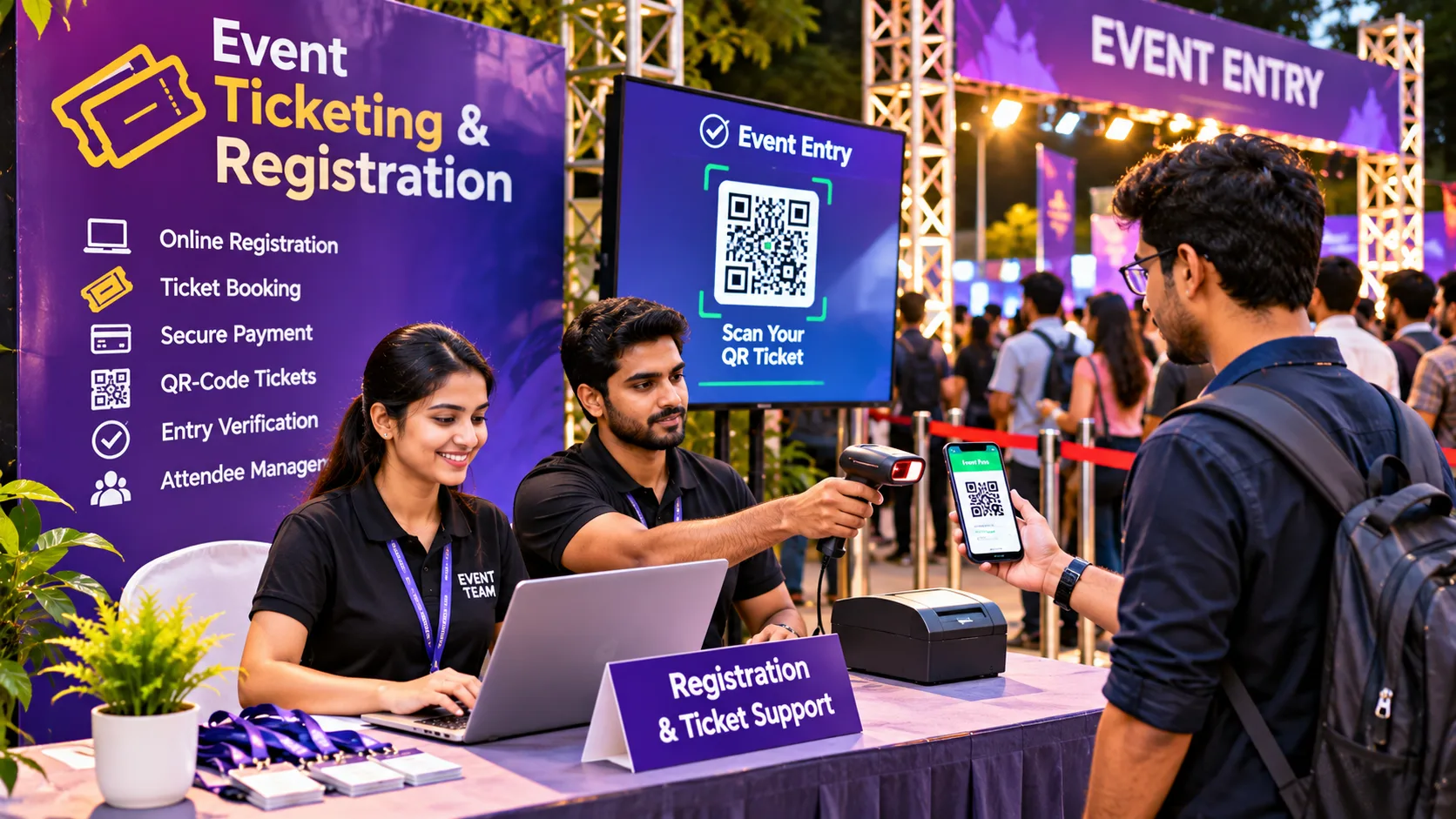
Event Ticketing and Online Registration: A Complete Guide for Event Organisers
Learn how to manage event ticketing and online registration, including ticket categories, payment collection, QR-code passes, attendee records, entry verification and event-day operations.
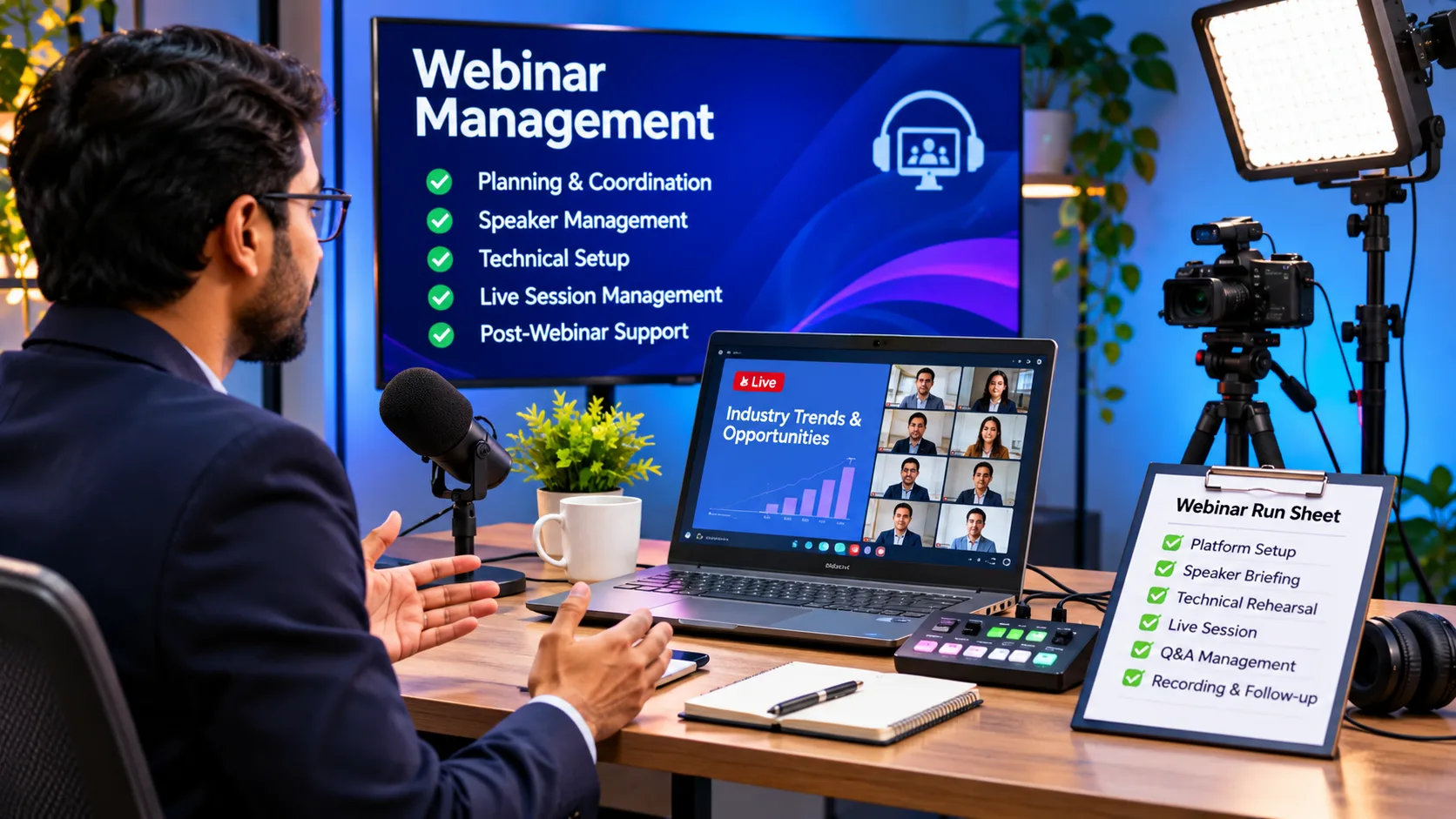
Webinar Management: A Complete Guide to Planning and Hosting Successful Webinars
Learn how to plan and manage successful webinars, from platform selection and speaker coordination to technical setup, registration, live session management and post-event reporting.
